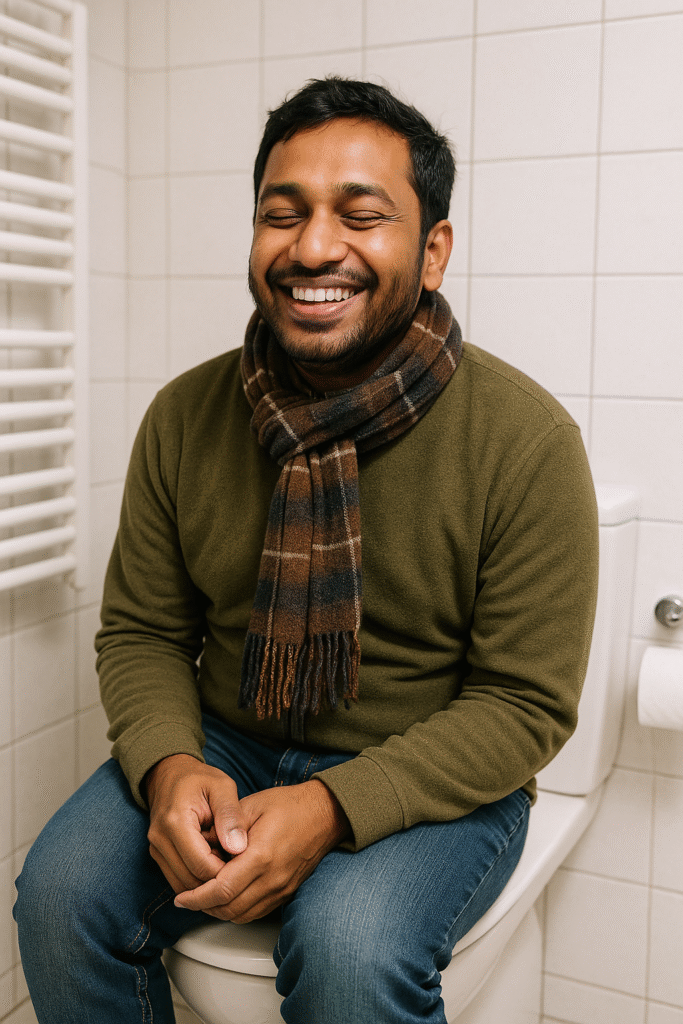
🇯🇵 What NOT to Bring to Japan — You Might Get Deported at the Airport!

Dreaming of sushi, cherry blossoms, and anime adventures? Your Japan trip is almost here, and you’re packing your bags with excitement. But before you zip that suitcase… do you know what’s allowed into Japan?

Japan has very strict customs laws, and bringing the wrong items can result in fines, detention, or even immediate deportation. Yes, seriously.

This blog is your ultimate guide to prohibited and restricted items you should never bring into Japan. Read it carefully — and don’t let your vacation end at immigration!

❌ 1. Drugs – Even “Just a Little Weed”

Japan has a zero-tolerance drug policy. It doesn’t matter if cannabis is legal in your country or if it’s for medical use.

  • Marijuana = Illegal
  • Medicinal marijuana = Still illegal
  • CBD products = Risky (if any THC is detected, it’s a crime)

Penalties include arrest, jail time, deportation, and a permanent ban from Japan. Even celebrities have been refused entry over this. Don’t take the risk.

💊 2. Over-the-Counter Medicines

Common cold medicine from your country might be banned in Japan. Certain ingredients are not allowed:

  • Pseudoephedrine (found in decongestants like Sudafed)
  • Codeine (found in cough syrups or pain relievers)

If you need to bring medication, you may need a Yakkan Shoumei (import certificate) and a doctor’s note. Without it, your meds could be confiscated or worse — you could be denied entry.

🔫 3. Weapons and Self-Defense Tools

Japan does not allow weapons or self-defense tools — even if you never intend to use them.

  • Guns, ammunition, and explosives
  • Knives with blades over 6 cm
  • Pepper spray and stun guns
  • Nunchaku and other martial arts tools

Even items for display or collection may be considered dangerous. Leave them at home.

🍎 4. Fruits, Vegetables, Meat, and Seeds

Japan protects its agriculture very seriously. That means strict laws on plant and animal products coming into the country.

Prohibited items include:

  • Fresh fruits and vegetables
  • Raw meat and dairy products
  • Seeds and soil

Some dried or processed foods may be allowed with proper inspection and paperwork, but always check before you fly.

💼 5. Large Amounts of Cash

You can bring cash into Japan, but if it’s over 1 million yen (about $7,000 USD), you must declare it.

If you don’t, customs officials may suspect money laundering or illegal activity. Play it safe and fill out the form if you’re carrying a lot of cash.

🚫 6. Pornography, Counterfeit Goods, and Adult Items

Even though Japan has a reputation for adult content, importing it is another story. You can’t bring in:

  • Obscene materials (accordin

🇯🇵 জাপানে নিয়ে গেলে আপনাকে ফেরত পাঠানো হতে পারে!? – কোন জিনিসগুলি সঙ্গে আনবেন না

আপনি কি সুশি, সাকুরা ফুল আর এনিমে ট্যুরের স্বপ্ন দেখছেন? আপনার জাপান সফরের প্রস্তুতি চলছে জোরে শোরে। কিন্তু ব্যাগ গোছানোর আগে একবার ভাবুন—আপনি কি জানেন, জাপানে কী কী জিনিস আনা সম্পূর্ণ নিষিদ্ধ?

জাপানে কাস্টমস আইন অত্যন্ত কঠোর, এবং ভুল জিনিস সঙ্গে আনলে আপনাকে জরিমানা, আটক বা সরাসরি ফেরত পাঠানো হতে পারে। হ্যাঁ, এটা সত্যি।

এই ব্লগে আমরা বলছি সেইসব নিষিদ্ধ ও সীমিত জিনিসপত্র সম্পর্কে যা আপনি কখনো জাপানে নিয়ে যাবেন না। পড়ে ফেলুন — আর আপনার ছুটি যেন বিমানবন্দরেই শেষ না হয়!

❌ ১. ড্রাগ – এমনকি “সামান্য গাঁজা”ও নয়

জাপানে ড্রাগস নিয়ে শূন্য সহনশীলতা নীতি আছে। আপনার দেশে গাঁজা বৈধ হলেও, জাপানে তা সম্পূর্ণ নিষিদ্ধ।

  • গাঁজা = অবৈধ
  • চিকিৎসার জন্য গাঁজা = তাও অবৈধ
  • CBD প্রোডাক্ট = ঝুঁকিপূর্ণ (থিসি থাকলে অপরাধ)

আপনার শাস্তি হতে পারে গ্রেপ্তার, জেল, দেশে ফেরত পাঠানো, বা আজীবন নিষিদ্ধ হওয়া। এমনকি অনেক সেলিব্রিটিও জাপানে ঢুকতে পারেননি এ কারণে।

💊 ২. সাধারণ ওষুধেও ঝুঁকি আছে

আপনার দেশে যে ঠান্ডার ওষুধ আপনি ব্যবহার করেন, তা জাপানে নিষিদ্ধ হতে পারে। নিচের উপাদানগুলি বিশেষভাবে নিষিদ্ধ:

  • Pseudoephedrine (ডিকনজেসটেন্ট)
  • Codeine (কাশির ওষুধ বা ব্যথার ওষুধে)

ওষুধ সঙ্গে আনতে হলে ডাক্তারের প্রেসক্রিপশনYakkan Shoumei (ঔষধ আমদানির অনুমোদন) লাগতে পারে। না হলে কাস্টমসে সমস্যা হবেই।

🔫 ৩. অস্ত্র ও আত্মরক্ষার সামগ্রী

নিজেকে বাঁচানোর জন্য হলেও জাপানে এইসব সঙ্গে আনা
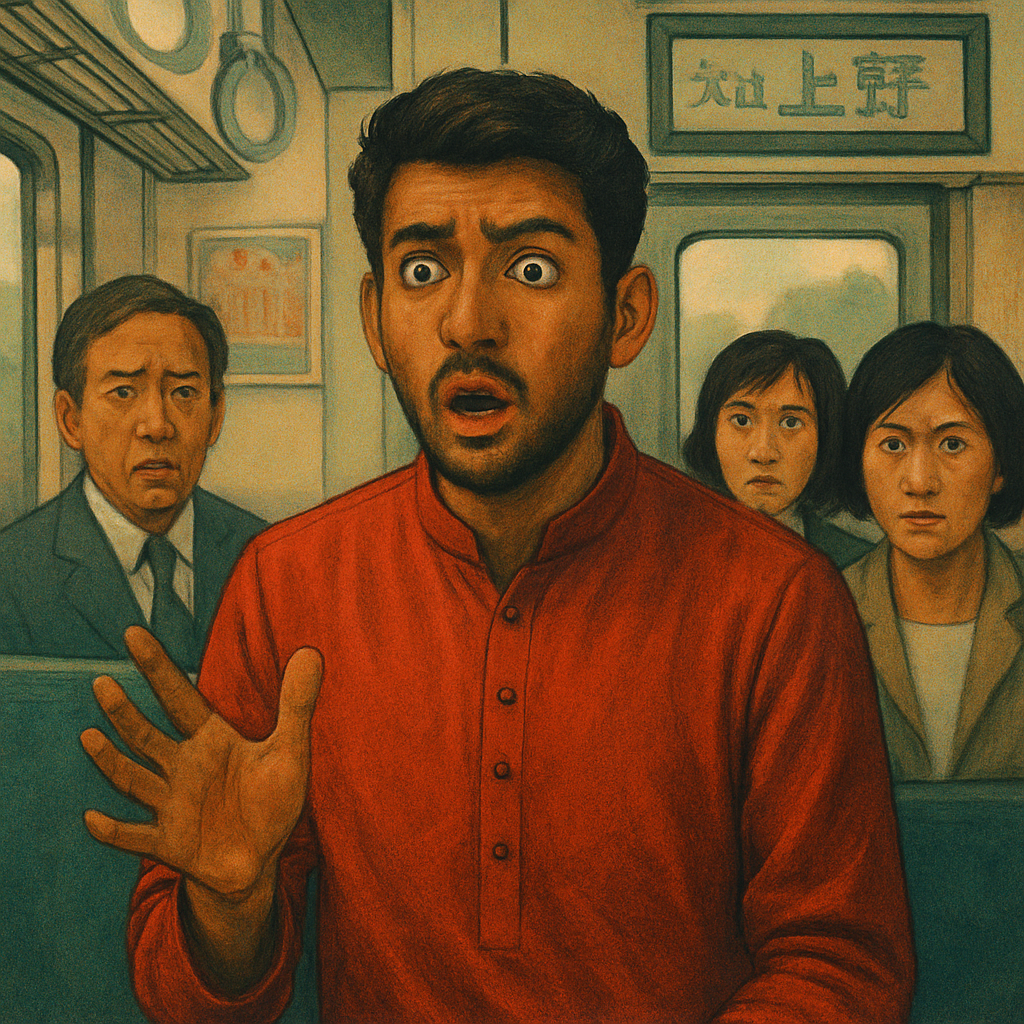
🚆 The Fascinating World of Japanese Train Culture: A Ride Like No Other

When you think of Japan, what comes to mind? Sushi? Cherry blossoms? High-tech gadgets? While all of those are iconic, there’s one everyday marvel that often surprises visitors the most: Japan’s incredible train culture. Sleek, silent, punctual, and sometimes even bizarre—Japan’s trains are more than just a way to get from point A to B. They are a cultural experience in themselves.

🚅 Punctuality That Defies Logic

Let’s start with what Japan’s trains are world-famous for: being on time. If a train is even 30 seconds late, the conductor might make a formal apology over the intercom. In rare cases of a delay, passengers are given something called a “delay certificate” (遅延証明書) to show their employers. Imagine that in your country!

Why So Punctual?

It’s not just about pride—it’s about culture. Japanese society values respect for others’ time, and this deeply influences public transport. The train schedules are tight and interconnected, and any delay can have a ripple effect. So, everything runs like clockwork.

🚉 Silence Is Golden

Step onto a Japanese train and you’ll notice something strange—it’s quiet. No loud phone calls, no blasting music, no noisy chatter. Many people even put their phones on “manner mode” (silent mode) automatically when boarding. This quietude is a social courtesy, especially during rush hours when everyone is tightly packed together.

But What About Talking?

You can talk, of course—but quietly and respectfully. It’s common to see friends chatting in low voices or people reading, sleeping, or zoning out with their earphones in. In Japan, the train is often treated like a shared private space.

🚻 Train Etiquette: The Unwritten Rules

There’s no formal rulebook, but Japanese train etiquette is almost sacred. Here are some key unspoken rules:

  • Queue up in lines at marked spots.
  • Let passengers get off before you board.
  • Give priority seats to the elderly, pregnant women, and people with disabilities.
  • Don’t eat or drink on local trains (except long-distance express or bullet trains).
  • Keep your bag on your lap or in front of you, not on the seat.

Breaking these rules might not get you yelled at—but you’ll definitely get a few cold stares.

🚀 The Shinkansen: A Bullet of Comfort

No discussion of Japanese trains is complete without mentioning the Shinkansen, aka the bullet train. Running at speeds up to 320 km/h (200 mph), it’s not only fast—it’s ultra-smooth, quiet, and meticulously clean. The Shinkansen offers:

  • Reserved seating
  • Delicious bento boxes (駅弁, ekiben)
  • Plenty of legroom
  • Amazing views of Mount Fuji (if you’re lucky!)

It’s not just a train ride—it’s an experience.

🎨 Unique Trains You Won’t Believe Exist

Japan is also home to some whimsical and themed trains that look like they came out of a manga:

  • Hello Kitty Shinkansen
  • Pokémon-themed trains
  • Trains with foot baths on board
  • Even a train designed by luxury brand Seven Stars that feels like a five-star hotel!

You’ll never know what kind of surprise you’ll find on the rails.

💡 What Foreigners Find Surprising

Many tourists are amazed by:

  • The extreme cleanliness (yes, even the toilets!)
  • Women-only cars during rush hours
  • Trains that play musical jingles at each station
  • The white gloves worn by conductors
  • How nobody talks on the phone—ever!

🎯 Final Thoughts: More Than Just Trains

Japanese train culture isn’t just about transportation. It reflects discipline, consideration, and social harmony—values deeply embedded in Japanese society. For tourists and newcomers, it can be both a shock and a delight.

So next time you’re in Japan, hop on a train. You’re not just commuting—you’re stepping into a cultural masterpiece on rails.


If you’d like this in a downloadable Word format, HTML format for WordPress, or if you want a Bengali translation as well, just let me know!

জাপানের আধুনিক টয়লেট সংস্কৃতিভূমিকা

জাপানে গেলে অনেকেই যেটা দেখে চমকে যান, তা হলো — টয়লেট! পরিষ্কার, আধুনিক এবং অত্যন্ত আরামদায়ক। আজ আমরা জানব, জাপানের উচ্চ প্রযুক্তির টয়লেট সংস্কৃতি সম্পর্কে।

১. অসাধারণ প্রযুক্তি

জাপানের অনেক টয়লেটে নিচের সুবিধাগুলো থাকে:

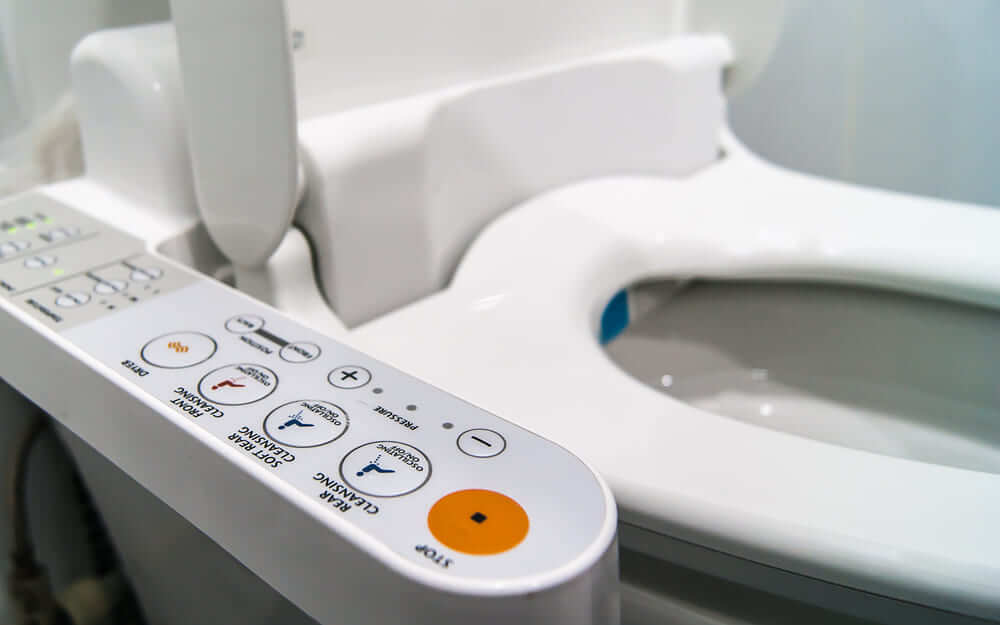
・উষ্ণ পানি দিয়ে ধৌতকরণ (ওয়াশলেট) — ব্যবহার শেষে উষ্ণ পানির ধারা দিয়ে পরিষ্কার করে। পানি ও তাপমাত্রা নিয়ন্ত্রণ করা যায়।

・উষ্ণ আসন — শীতে গরম, বসলে আরামদায়ক।

・স্বয়ংক্রিয় ঢাকনা খোলা ও ফ্লাশিং — লোকজনের উপস্থিতি বুঝে ঢাকনা খোলে এবং কাজ শেষে স্বয়ংক্রিয়ভাবে ফ্লাশ করে।

・দুর্গন্ধ নিয়ন্ত্রণ ও এয়ার ফ্রেশনার — গন্ধ দূর করে সতেজ রাখে।

এই প্রযুক্তিগুলো তৈরি করেছে TOTO, INAX এর মতো বিখ্যাত জাপানি কোম্পানি।

২. এত উন্নত হলো কেন?

জাপানে পরিচ্ছন্নতা খুবই গুরুত্বপূর্ণ। নারী ও বয়স্কদের জন্য আরামদায়ক এবং সহজলভ্য করার চেষ্টার ফলেই টয়লেটগুলো এত উন্নত হয়েছে।

এছাড়া, জাপানে পানির ব্যবহার সংক্রান্ত প্রযুক্তি (টয়লেট, বাথরুম, রান্নাঘর) অনেক উন্নত।

৩. পাবলিক টয়লেটও ঝকঝকে!

ট্যুরিস্টরা অবাক হন যখন দেখেন রেল স্টেশন বা শপিং মলে টয়লেটগুলো এত পরিষ্কার।
ফ্রি হলেও প্রতিনিয়ত পরিষ্কার করা হয় এবং ব্যবহারকারীদের জন্য খুব আরামদায়ক।

নারীদের জন্য আলাদা টয়লেট বা মাল্টিপারপাস টয়লেট থাকায় সবাই সহজে ব্যবহার করতে পারেন।

৪. অন্যান্য দেশের তুলনায়

বাংলাদেশে যেমন পানি ব্যবহার সাধারণ, জাপানে সেটা প্রযুক্তির মাধ্যমে আরো উন্নত হয়েছে। শুধু টয়লেট পেপার ব্যবহার করা দেশে, জাপানের টয়লেট ব্যবহার করাটা অনেকের জন্য নতুন অভিজ্ঞতা।

উপসংহার

জাপানের টয়লেট শুধু প্রয়োজনে ব্যবহার করার জায়গা না — এটি একটি আরামদায়ক, পরিষ্কার ও প্রযুক্তিময় অভিজ্ঞতা। জাপানে গেলে একবার ব্যবহার করে দেখুন!

The Amazing Culture of Japan’s High-Tech Toilets
Introduction

One of the things that surprises visitors to Japan is the toilets. They are clean, futuristic, and incredibly comfortable. In this post, we’ll explore the amazing culture behind Japan’s high-tech toilets.

1.Incredible High-Tech Features

Many Japanese toilets come with features such as:

  • Warm-water cleaning (Washlet) – A gentle stream of water to clean after use, with adjustable temperature and pressure.
  • Heated seats – Always warm, even in winter.
  • Automatic lid opening & flushing – The lid opens when you approach, and it flushes when you’re done.
  • Deodorizer & air freshener – Eliminates odors for a fresh experience.

These features are commonly found in toilets made by companies like TOTO and INAX.

2.Why Are They So Advanced?

Cleanliness is a core value in Japan. Toilets have evolved to be user-friendly, especially for the elderly and women. Japan has also developed world-class water-related technology, making bathrooms some of the most advanced in the world.

3.Even Public Toilets Are Spotless

Many tourists are shocked to see how clean and modern public toilets are in Japan — even in train stations or shopping centers. They’re free to use, regularly cleaned, and very accessible.

There are also special toilets like women-only and multi-purpose toilets, making them inclusive for all.

4.How It Compares Globally

In countries like Bangladesh, using water for cleaning is the norm. Japan’s washlet system has taken this further with innovation and comfort. In countries where only toilet paper is used, Japan’s approach is often surprising to visitors.

Conclusion

A Japanese toilet is not just a toilet — it’s a symbol of comfort, hospitality, and technology. If you visit Japan, don’t miss the chance to experience one!