How to Throw Away Trash in Japan: A Surprisingly Strict and Cultural Experience

Moving to Japan? Great! But wait… do you know how to throw away your trash?

In Japan, taking out the trash is not just a daily routine — it’s practically a test of your social responsibility. If you thought trash is trash, and you can just toss everything into one bin… think again! Each type of garbage has its own bag, day, and disposal rules. Fail to follow them, and your trash might not get collected — or worse, your neighbors might give you the silent but deadly “Japanese glare.”

🔍 Why Is Garbage Separation So Strict in Japan?

Japan is a small island country with limited space for landfills. To reduce waste and protect the environment, the Japanese government promotes strict recycling and separation. Many municipalities even have local laws requiring it.

So in Japan, sorting trash is not just a rule — it’s part of being a good citizen.

🗑️ Main Types of Garbage in Japan

Although details vary by city, most areas in Japan follow a similar basic system:

1. Burnable Waste (Moeru gomi)

  • Food scraps
  • Tissues and paper
  • Cloth, socks, small wooden items

Tip: Drain liquids from food waste to reduce smell and insects.

2. Non-Burnable Waste (Moenai gomi)

  • Glass items (cups, broken dishes)
  • Metal (scissors, small tools)
  • Ceramics
  • Light bulbs, some batteries

3. Recyclables (Shigen gomi)

  • PET plastic bottles (caps and labels removed)
  • Aluminum cans, glass bottles
  • Newspapers, magazines, cardboard
  • Milk cartons (washed and flattened)

Tip: Always rinse bottles and cans before recycling!

4. Oversized Garbage (Sodai gomi)

  • Furniture (sofa, bed, drawers)
  • Large appliances (vacuum cleaner, microwave)

Tip: These require advance reservation and a disposal fee. You must buy a special sticker and attach it to the item before placing it out.

5. Home Appliances (Special Disposal)

  • TVs
  • Refrigerators
  • Washing machines
  • Air conditioners

Important: These cannot be thrown out as regular garbage. You must contact the store or a licensed recycler. This is due to the Japanese Home Appliance Recycling Law.

🛍️ Garbage Bags and Local Rules

  • Use transparent or semi-transparent plastic bags.
  • Some cities require municipality-approved bags (sold at convenience stores).
  • Never use black or colored bags — they may be rejected.

📅 When to Take Out the Trash

Each city and neighborhood has its own trash calendar. Example:

  • Monday: Burnable
  • Wednesday: Recyclables
  • Friday: Non-burnable

Check your local city hall website or ask your landlord. Don’t guess — if you put trash out on the wrong day, it might stay there with a warning sticker!

📋 Trash Etiquette 101

  • Put trash out in the morning (not the night before unless allowed).
  • Use designated trash areas or “stations.”
  • In some places, you must write your name on the bag.
  • Use nets or cages to protect trash from crows or cats.

⚠️ Common Mistakes Foreigners Make

MistakeWhy It’s a Problem
Throwing unwashed plastic with food still insideCauses bad smell and hygiene issues
Using black trash bagsThey’re not transparent — trash may not be picked up
Putting appliances into burnable trashIllegal in many areas
Leaving bottle caps or labels on PET bottlesConsidered improper separation

🇧🇩 How Is It Different from Bangladesh?

In many areas of Bangladesh, trash separation is not required, and mixed trash is collected. But in Japan, separating trash by type and following the schedule is strictly enforced. While this may feel overwhelming at first, it quickly becomes routine — and you’ll feel proud when your trash is “accepted” every time!

🧠 Fun Fact: The Town with 45 Trash Categories!

Kamikatsu, a town in Tokushima Prefecture, has a goal of zero waste. Residents separate their trash into 45 different categories! It’s the ultimate example of Japan’s recycling culture.

✅ Conclusion

Japanese trash rules may feel confusing or stressful at first, but they are built on respect for the environment and for each other. By following these rules, you become part of the community — even without speaking perfect Japanese!

So, grab the right bag, read the calendar, and throw away your trash like a local!

Tags: Japan Living, Trash Separation, Recycling in Japan, Foreigners in Japan, Daily Life Tips
Plug It In! What You Need to Know About Power Sockets in Japan

Planning to visit or move to Japan? Don’t forget to check your plug! Japan has its own unique electrical system, and using the wrong type of plug or voltage might damage your device.

🔌 What Type of Plug Does Japan Use?

Japan uses Type A plugs — the same flat, two-pin plugs used in North America. These plugs look like two parallel blades (| |). Some sockets may also fit Type B (with a grounding pin), but most appliances only use Type A.

⚡ Voltage and Frequency in Japan

Japan’s electrical voltage is 100 volts, which is lower than in many other countries. For example:

  • Bangladesh: 220–240V
  • Europe: 220–240V
  • USA: 110–120V

The frequency also differs depending on the region:

  • Eastern Japan (Tokyo, Yokohama, etc.): 50 Hz
  • Western Japan (Osaka, Kyoto, etc.): 60 Hz

💥 Will My Electronics Work in Japan?

It depends on the device. Always check the voltage label:

  • If it says “100–240V” → You’re safe! Your device is compatible.
  • If it says “220V only” → You’ll need a step-up transformer.

Most modern phone chargers, laptops, and cameras support worldwide voltage, but items like hair dryers or rice cookers often do not.

🧳 Do I Need a Plug Adapter?

If you’re coming from Bangladesh or most of Asia/Europe, yes, you’ll need a Type A adapter. These are cheap and easy to find online or at airports.

✅ Quick Checklist Before You Travel:

  • ✔ Check your device voltage (100–240V is best)
  • ✔ Bring a Type A plug adapter
  • ✔ Avoid using high-power appliances without checking compatibility

🧠 Fun Fact!

Did you know Japan is the only country in the world with two different electricity frequencies? This dates back to the early 1900s when eastern Japan bought German generators (50 Hz) and western Japan bought American ones (60 Hz).

Conclusion

Japan’s electricity system is safe and reliable, but a little different from what you may be used to. A small adapter and quick voltage check can save your devices — and your trip. Plug in smart, and enjoy your time in Japan!

Tags: Japan Travel Tips, Power Adapter Japan, Japanese Voltage, Type A Plug, Travel Essentials

🚆 The Fascinating World of Japanese Train Culture: A Ride Like No Other

When you think of Japan, what comes to mind? Sushi? Cherry blossoms? High-tech gadgets? While all of those are iconic, there’s one everyday marvel that often surprises visitors the most: Japan’s incredible train culture. Sleek, silent, punctual, and sometimes even bizarre—Japan’s trains are more than just a way to get from point A to B. They are a cultural experience in themselves.

🚅 Punctuality That Defies Logic

Let’s start with what Japan’s trains are world-famous for: being on time. If a train is even 30 seconds late, the conductor might make a formal apology over the intercom. In rare cases of a delay, passengers are given something called a “delay certificate” (遅延証明書) to show their employers. Imagine that in your country!

Why So Punctual?

It’s not just about pride—it’s about culture. Japanese society values respect for others’ time, and this deeply influences public transport. The train schedules are tight and interconnected, and any delay can have a ripple effect. So, everything runs like clockwork.

🚉 Silence Is Golden

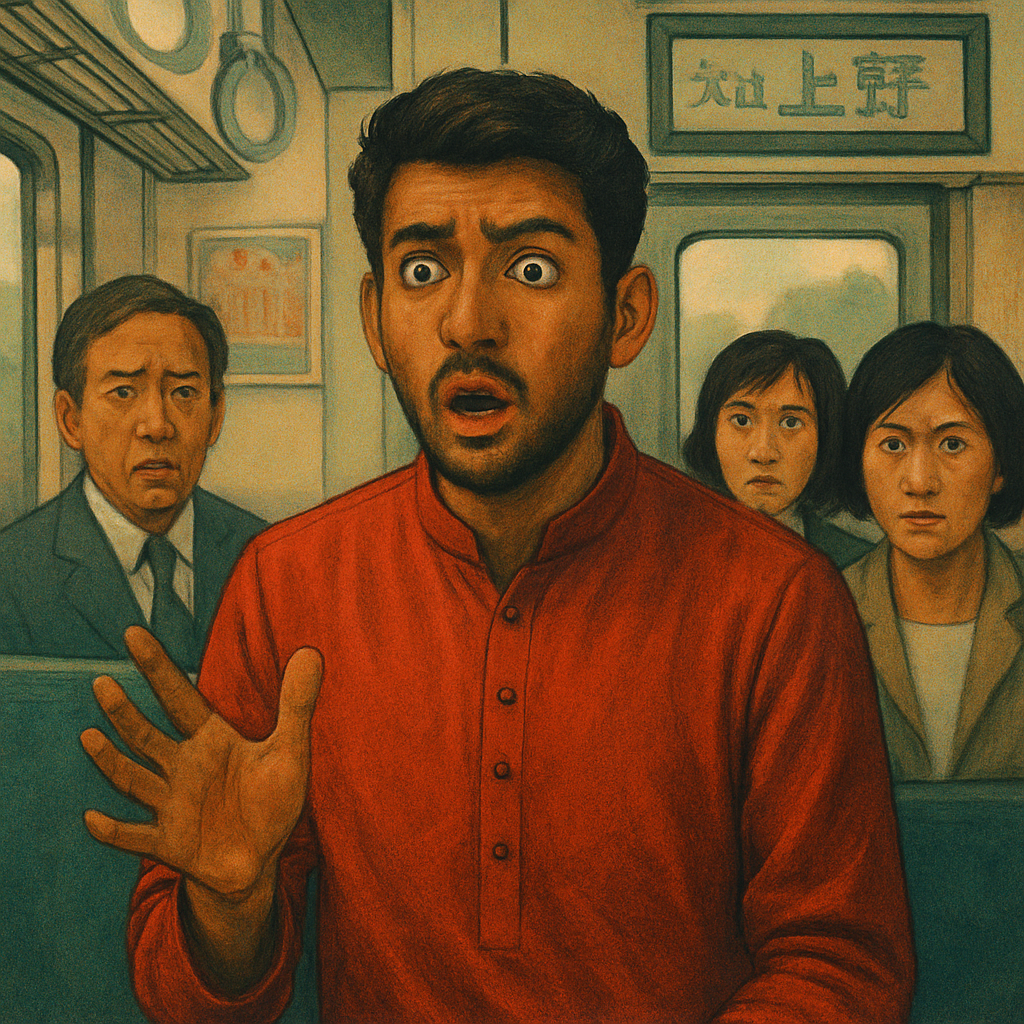
Step onto a Japanese train and you’ll notice something strange—it’s quiet. No loud phone calls, no blasting music, no noisy chatter. Many people even put their phones on “manner mode” (silent mode) automatically when boarding. This quietude is a social courtesy, especially during rush hours when everyone is tightly packed together.

But What About Talking?

You can talk, of course—but quietly and respectfully. It’s common to see friends chatting in low voices or people reading, sleeping, or zoning out with their earphones in. In Japan, the train is often treated like a shared private space.

🚻 Train Etiquette: The Unwritten Rules

There’s no formal rulebook, but Japanese train etiquette is almost sacred. Here are some key unspoken rules:

  • Queue up in lines at marked spots.
  • Let passengers get off before you board.
  • Give priority seats to the elderly, pregnant women, and people with disabilities.
  • Don’t eat or drink on local trains (except long-distance express or bullet trains).
  • Keep your bag on your lap or in front of you, not on the seat.

Breaking these rules might not get you yelled at—but you’ll definitely get a few cold stares.

🚀 The Shinkansen: A Bullet of Comfort

No discussion of Japanese trains is complete without mentioning the Shinkansen, aka the bullet train. Running at speeds up to 320 km/h (200 mph), it’s not only fast—it’s ultra-smooth, quiet, and meticulously clean. The Shinkansen offers:

  • Reserved seating
  • Delicious bento boxes (駅弁, ekiben)
  • Plenty of legroom
  • Amazing views of Mount Fuji (if you’re lucky!)

It’s not just a train ride—it’s an experience.

🎨 Unique Trains You Won’t Believe Exist

Japan is also home to some whimsical and themed trains that look like they came out of a manga:

  • Hello Kitty Shinkansen
  • Pokémon-themed trains
  • Trains with foot baths on board
  • Even a train designed by luxury brand Seven Stars that feels like a five-star hotel!

You’ll never know what kind of surprise you’ll find on the rails.

💡 What Foreigners Find Surprising

Many tourists are amazed by:

  • The extreme cleanliness (yes, even the toilets!)
  • Women-only cars during rush hours
  • Trains that play musical jingles at each station
  • The white gloves worn by conductors
  • How nobody talks on the phone—ever!

🎯 Final Thoughts: More Than Just Trains

Japanese train culture isn’t just about transportation. It reflects discipline, consideration, and social harmony—values deeply embedded in Japanese society. For tourists and newcomers, it can be both a shock and a delight.

So next time you’re in Japan, hop on a train. You’re not just commuting—you’re stepping into a cultural masterpiece on rails.


If you’d like this in a downloadable Word format, HTML format for WordPress, or if you want a Bengali translation as well, just let me know!