Head Gestures in Bangladesh and Japan: A Cross-Cultural Guide to Body Language and Manners

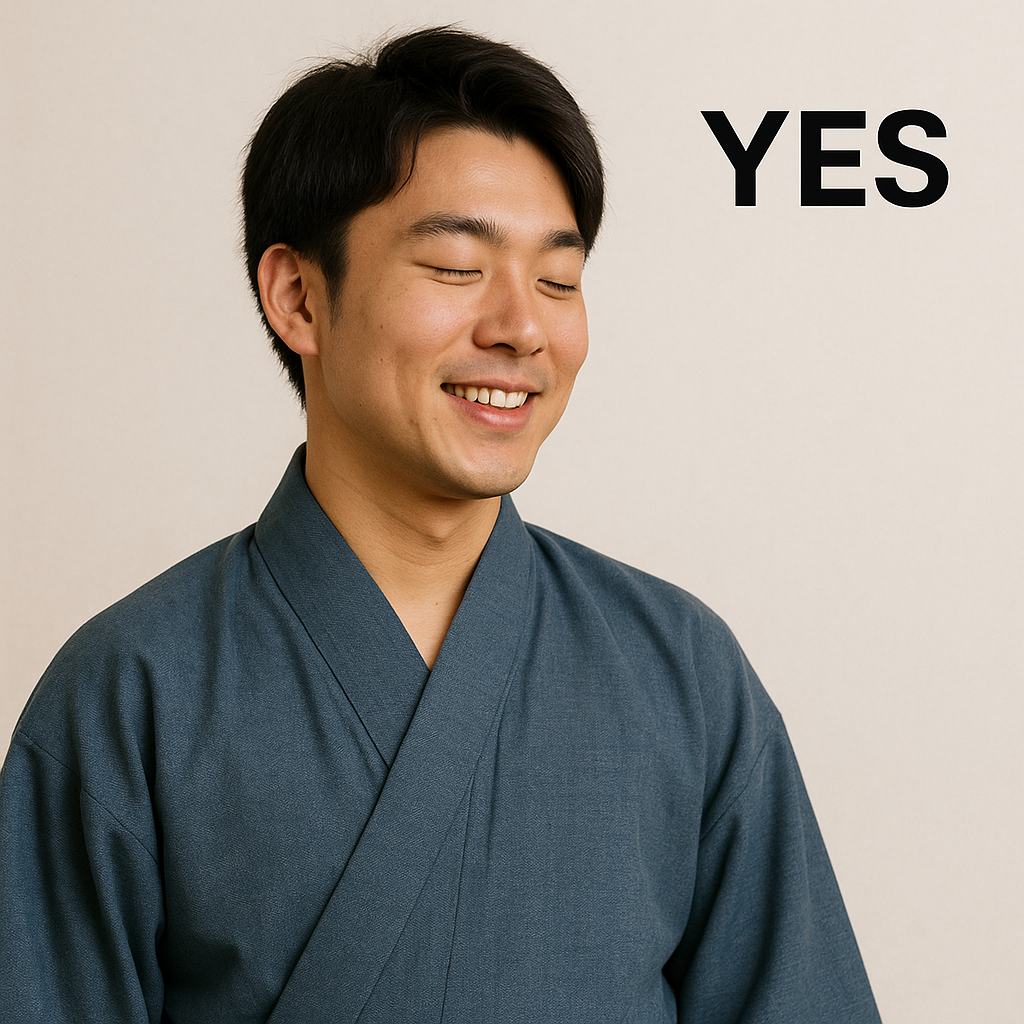
When people from different countries meet, even small gestures can cause big misunderstandings. One of the best examples is the way people use head movements to say yes or no. In Bangladesh, shaking the head from side to side often means “yes” or “I agree.” However, in Japan, the exact same gesture clearly means “no.” This difference in body language is not only interesting but also very important for smooth cross-cultural communication.

Head Gestures in Bangladesh

In Bangladesh, when someone asks a question or offers something, many people will move their head from side to side to show agreement. This gesture is friendly, natural, and widely understood in Bangladeshi culture. For example, if you invite a Bangladeshi friend to have tea, a gentle shake of the head may actually mean “Yes, I’d like to.” To visitors from outside Bangladesh, this can be confusing, because in most countries—including Western nations—shaking the head usually means refusal.
Head Gestures in Japan

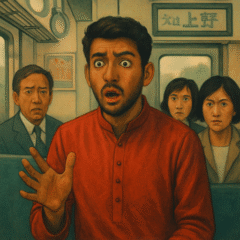
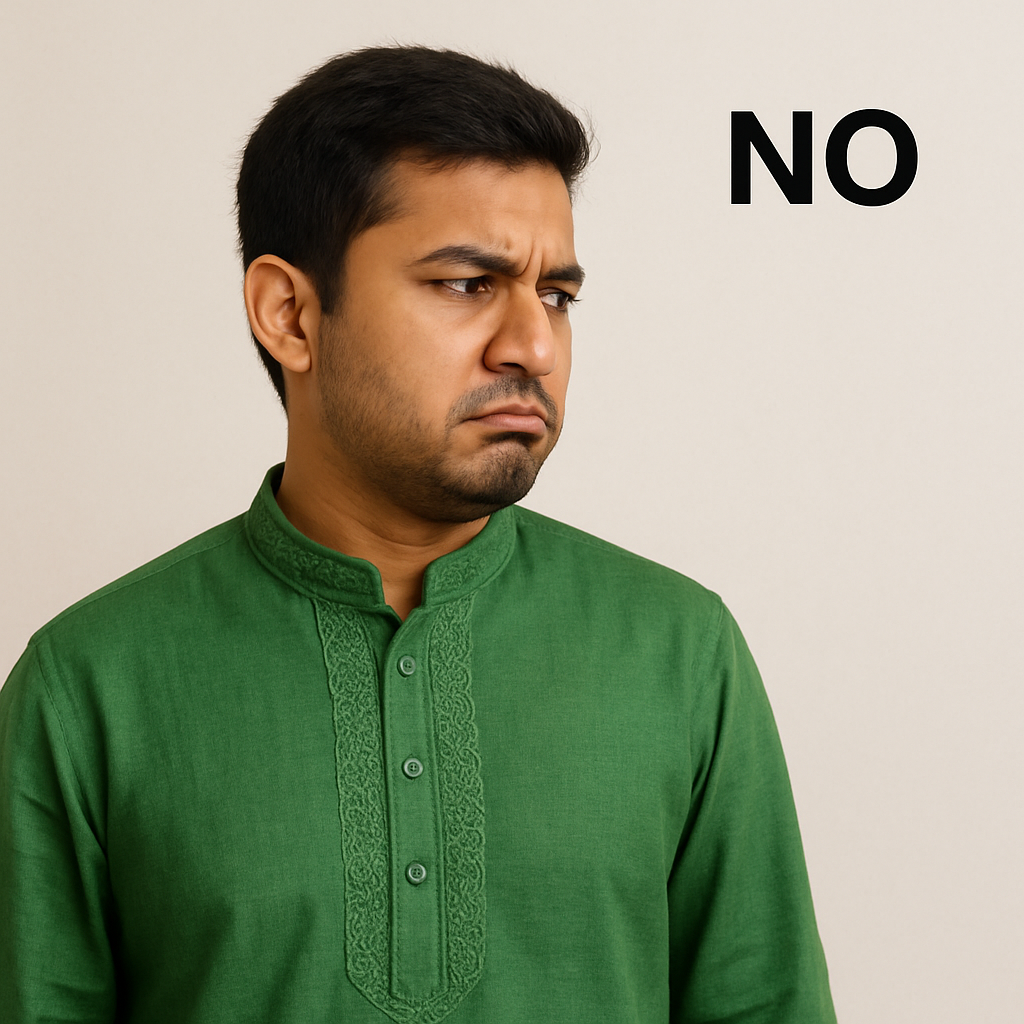
In Japan, the rules are very different. Nodding the head up and down is the standard way to say “yes” or “I understand.” Shaking the head side to side always means “no” or disagreement. If someone uses the Bangladeshi style of head shake in Japan, it can lead to a misunderstanding. People may think the person is refusing or disagreeing, even though the intention was to accept.

Manners and Respect in Japanese Communication

In Japanese culture, showing respect through body language is extremely important. While listening to someone speak, Japanese people often nod lightly to show they are paying attention and following the conversation. On the other hand, shaking the head repeatedly can appear rude, because it seems like you are denying or rejecting the speaker’s words. This is why foreign visitors are advised to be careful about head movements in Japan. What feels natural in Bangladesh may appear impolite in Japanese social settings.
Why Understanding Gestures Matters

Cross-cultural communication is more than just learning vocabulary. Body language, facial expressions, and gestures all carry deep cultural meaning. The Bangladesh style of head gesture shows how unique cultural habits can be. For Bangladeshi people living in Japan, or Japanese people visiting Bangladesh, knowing this difference helps avoid awkward situations. It also shows respect for the local manners and traditions.

Conclusion

Head gestures are a small detail, but they reflect larger cultural values. In Bangladesh, shaking your head side to side is a warm way to agree. In Japan, the same action is a clear refusal. By learning these cultural differences in body language and manners, we can communicate more smoothly, reduce misunderstandings, and build stronger friendships between Bangladesh and Japan.

Why Do Japanese People Take Off Their Shoes Indoors?

If you visit a Japanese home, the very first thing you’ll be asked is: “Please take off your shoes.”
But why is this so important?

1. A Tradition Rooted in Cleanliness and Respect

In Japan, people believe in keeping the outside dirt outside.
Shoes that walk on streets carry dust, bacteria, and mud — and Japanese people want to keep their homes clean and sacred.

2. The History Behind It

This custom dates back to ancient times when people sat and slept on tatami mats.
Walking on tatami with dirty shoes was seen as both rude and unhygienic.

3. What Is a “Genkan”?

The genkan (玄関) is a unique Japanese entryway area where you remove your shoes.
Often, there are slippers prepared for guests. It’s a space where you leave the outside world behind and enter a peaceful home.

🔸 Tip for travelers: Never step into someone’s house with shoes on — it’s considered extremely rude.

4. Not Just Homes: Schools, Ryokan, and Even Restaurants

This no-shoes policy also applies to:

  • Schools
  • Traditional hotels (Ryokan)
  • Some restaurants
  • Certain temples

You might even be given toilet-specific slippers in some places!

5. Recommended: Comfortable Indoor Slippers 🥿

If you’re planning to stay in Japan or want to follow this custom at home, here are some top-rated slippers for indoor use:

(Insert your affiliate links or allow AdSense ads to appear here.)

6. It’s More Than Just Cleanliness – It’s Mental Reset

Removing your shoes in Japan is more than a physical act —
It’s a way to mentally switch from the outside world to your inner space.
It’s about respect, calm, and harmony.

✅ Summary

Whether you’re a visitor or planning to live in Japan, understanding the “no shoes inside” rule is the first step to showing respect.
So next time, take off your shoes — and step into Japanese culture.

Soaking Like a Samurai: The Magical World of Japanese Onsen

Imagine sitting in a hot bath outdoors, surrounded by mountains, snow gently falling on your head, steam rising from the water… and you’re completely naked. Welcome to the world of Japanese onsen — a place where modesty takes a break, and relaxation takes over.

For many foreigners (especially from South Asia), the idea of bathing with strangers might sound a bit scary — or just plain weird. But in Japan, this is a beloved and healing tradition. Let’s take a dip into the world of onsen and discover why Japanese people — and many visitors — fall in love with it.

What Exactly Is an Onsen?

An onsen is a hot spring bath, naturally heated by Japan’s volcanic activity. These baths are full of minerals like sulfur, magnesium, and calcium — which sound like ingredients for a health potion in a video game, but they actually help your skin, joints, and blood circulation.

Japan has over 3,000 onsen spots, from tiny countryside inns to luxurious mountain resorts. Some are indoors, some are outdoors (called rotenburo), and some even let you soak while watching Mt. Fuji.

Why Are Japanese People Obsessed with Onsen?

  • Relaxation Level: 100% — After a long day of work or travel, soaking in an onsen melts your stress like butter on hot rice.
  • Healing Powers — It’s not just about comfort. The minerals in the water can help with skin problems, arthritis, muscle pain, and more.
  • Cultural Ritual — Taking a bath in Japan isn’t just hygiene. It’s meditation, social time, and tradition all in one.
  • Seasonal Beauty — Cherry blossoms in spring, autumn leaves, or snow-covered landscapes… every season adds a new flavor to the onsen experience.

Onsen Etiquette: Don’t Be That Guy

If you go to an onsen, don’t just jump in like it’s your cousin’s pool party. There are rules. Important ones. If you break them, you might get some serious stink-eyes from elderly Japanese grandpas — and trust me, those hurt more than the hot water.

  1. Wash Before You Soak: There are shower areas outside the bath. Use soap. Wash everywhere. No shortcuts.
  2. No Clothes Allowed: Yes, you must be naked. But don’t worry — everyone else is too. Nobody’s looking. Probably.
  3. Keep Your Towel Out of the Water: Most people fold their small towel and put it on their head. It’s the ultimate Japanese bath fashion.
  4. No Swimming, No Splashing: This is not a waterpark. Float, relax, and enjoy the peace.
  5. No Phones or Cameras: Onsen is a private and quiet place. Posting selfies here is a big no-no.
  6. Tattoos? Ask First: In some places, tattoos are still connected with the Japanese mafia (yakuza). Many onsen now allow tattoos or offer tattoo cover sheets — check before you go.

What If I’m Shy?

You’re not alone! Many foreigners (and even some Japanese people) feel nervous at first. Luckily, there are private onsen rooms where you can enjoy the bath alone or with family/friends. Some hotels even have rooms with their own private hot spring tub.

Top 3 Onsen Destinations to Add to Your Japan Trip

  • Beppu (Ōita Prefecture): Nicknamed “the hot spring capital of Japan.” Mud baths, sand baths, steam baths — it’s like a hot spring amusement park.
  • Hakone (Kanagawa): Just a short ride from Tokyo, Hakone is perfect for first-timers. Great views, art museums, and plenty of relaxing spots.
  • Kusatsu (Gunma): Famous for having Japan’s hottest and most healing waters. Locals say: “If you can’t cure it at Kusatsu, it can’t be cured.”

Can Muslims Use Onsen?

Great question. Yes — but it depends. Because most public onsen require nudity and gender separation, many Muslim travelers prefer private onsen. These allow full privacy and can be used in a halal-friendly way. Some hotels also provide prayer mats and halal meals, so check in advance.

Conclusion: Dare to Bare, and You’ll Be Glad You Did

Trying a Japanese onsen might push you out of your comfort zone — but it will also give you a once-in-a-lifetime experience. You’ll leave feeling lighter, healthier, and strangely proud of yourself. And who knows? You might come home and start wishing your bathtub had snow and Mt. Fuji views too.

So the next time you visit Japan, don’t just eat sushi and buy anime figures — go soak like a samurai!

Tags: Japanese Culture, Onsen, Travel Japan, Muslim-friendly Japan, Hot Springs, Relaxation, Bathing Etiquette

জাপানের আধুনিক টয়লেট সংস্কৃতিভূমিকা

জাপানে গেলে অনেকেই যেটা দেখে চমকে যান, তা হলো — টয়লেট! পরিষ্কার, আধুনিক এবং অত্যন্ত আরামদায়ক। আজ আমরা জানব, জাপানের উচ্চ প্রযুক্তির টয়লেট সংস্কৃতি সম্পর্কে।

১. অসাধারণ প্রযুক্তি

জাপানের অনেক টয়লেটে নিচের সুবিধাগুলো থাকে:

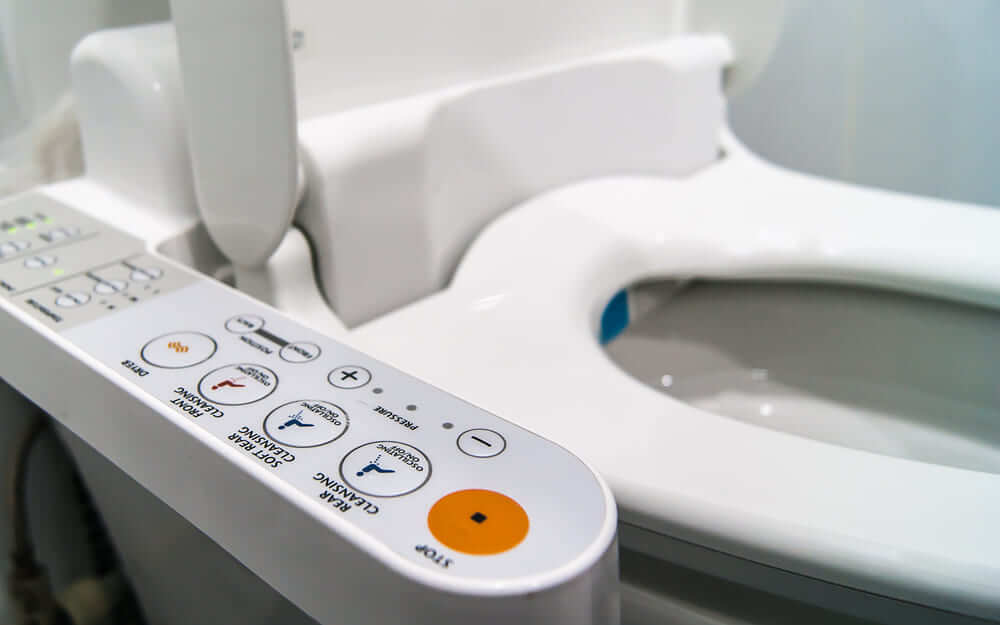
・উষ্ণ পানি দিয়ে ধৌতকরণ (ওয়াশলেট) — ব্যবহার শেষে উষ্ণ পানির ধারা দিয়ে পরিষ্কার করে। পানি ও তাপমাত্রা নিয়ন্ত্রণ করা যায়।

・উষ্ণ আসন — শীতে গরম, বসলে আরামদায়ক।

・স্বয়ংক্রিয় ঢাকনা খোলা ও ফ্লাশিং — লোকজনের উপস্থিতি বুঝে ঢাকনা খোলে এবং কাজ শেষে স্বয়ংক্রিয়ভাবে ফ্লাশ করে।

・দুর্গন্ধ নিয়ন্ত্রণ ও এয়ার ফ্রেশনার — গন্ধ দূর করে সতেজ রাখে।

এই প্রযুক্তিগুলো তৈরি করেছে TOTO, INAX এর মতো বিখ্যাত জাপানি কোম্পানি।

২. এত উন্নত হলো কেন?

জাপানে পরিচ্ছন্নতা খুবই গুরুত্বপূর্ণ। নারী ও বয়স্কদের জন্য আরামদায়ক এবং সহজলভ্য করার চেষ্টার ফলেই টয়লেটগুলো এত উন্নত হয়েছে।

এছাড়া, জাপানে পানির ব্যবহার সংক্রান্ত প্রযুক্তি (টয়লেট, বাথরুম, রান্নাঘর) অনেক উন্নত।

৩. পাবলিক টয়লেটও ঝকঝকে!

ট্যুরিস্টরা অবাক হন যখন দেখেন রেল স্টেশন বা শপিং মলে টয়লেটগুলো এত পরিষ্কার।
ফ্রি হলেও প্রতিনিয়ত পরিষ্কার করা হয় এবং ব্যবহারকারীদের জন্য খুব আরামদায়ক।

নারীদের জন্য আলাদা টয়লেট বা মাল্টিপারপাস টয়লেট থাকায় সবাই সহজে ব্যবহার করতে পারেন।

৪. অন্যান্য দেশের তুলনায়

বাংলাদেশে যেমন পানি ব্যবহার সাধারণ, জাপানে সেটা প্রযুক্তির মাধ্যমে আরো উন্নত হয়েছে। শুধু টয়লেট পেপার ব্যবহার করা দেশে, জাপানের টয়লেট ব্যবহার করাটা অনেকের জন্য নতুন অভিজ্ঞতা।

উপসংহার

জাপানের টয়লেট শুধু প্রয়োজনে ব্যবহার করার জায়গা না — এটি একটি আরামদায়ক, পরিষ্কার ও প্রযুক্তিময় অভিজ্ঞতা। জাপানে গেলে একবার ব্যবহার করে দেখুন!

The Amazing Culture of Japan’s High-Tech Toilets
Introduction

One of the things that surprises visitors to Japan is the toilets. They are clean, futuristic, and incredibly comfortable. In this post, we’ll explore the amazing culture behind Japan’s high-tech toilets.

1.Incredible High-Tech Features

Many Japanese toilets come with features such as:

  • Warm-water cleaning (Washlet) – A gentle stream of water to clean after use, with adjustable temperature and pressure.
  • Heated seats – Always warm, even in winter.
  • Automatic lid opening & flushing – The lid opens when you approach, and it flushes when you’re done.
  • Deodorizer & air freshener – Eliminates odors for a fresh experience.

These features are commonly found in toilets made by companies like TOTO and INAX.

2.Why Are They So Advanced?

Cleanliness is a core value in Japan. Toilets have evolved to be user-friendly, especially for the elderly and women. Japan has also developed world-class water-related technology, making bathrooms some of the most advanced in the world.

3.Even Public Toilets Are Spotless

Many tourists are shocked to see how clean and modern public toilets are in Japan — even in train stations or shopping centers. They’re free to use, regularly cleaned, and very accessible.

There are also special toilets like women-only and multi-purpose toilets, making them inclusive for all.

4.How It Compares Globally

In countries like Bangladesh, using water for cleaning is the norm. Japan’s washlet system has taken this further with innovation and comfort. In countries where only toilet paper is used, Japan’s approach is often surprising to visitors.

Conclusion

A Japanese toilet is not just a toilet — it’s a symbol of comfort, hospitality, and technology. If you visit Japan, don’t miss the chance to experience one!