Discovering Yokohama Chinatown: A Perfect Day Trip from Tokyo

Yokohama Chinatown (æ¨Ēæĩœä¸­č¯čĄ—, Yokohama ChÅĢkagai) is one of the largest Chinatowns in the world and the biggest in Japan. Located just 30 minutes from central Tokyo, this vibrant district is a favorite destination for travelers who want to experience a unique mix of Chinese culture, Japanese hospitality, and endless culinary delights. Whether you are a food lover, a history enthusiast, or just looking for a colorful day out, Yokohama Chinatown is a must-visit.

A Brief History of Yokohama Chinatown

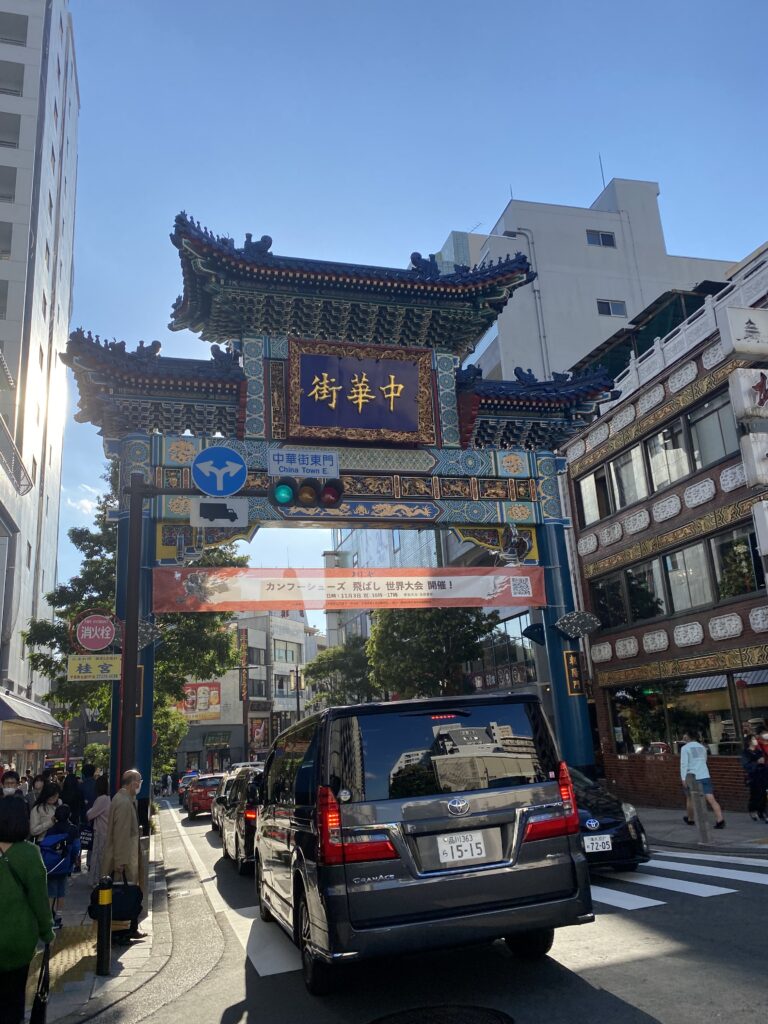
Yokohama opened its port to foreign trade in 1859, and soon after, Chinese immigrants settled in the area. Over the decades, the community grew into a bustling cultural hub, filled with traditional restaurants, shops, and temples. Today, the district is home to over 600 businesses and welcomes millions of visitors each year. Walking through its gates feels like stepping into another world—bright red lanterns, intricate Chinese gates, and the aroma of freshly cooked dishes at every corner.


What to See in Yokohama Chinatown

The Four Chinese Gates

The district is surrounded by beautifully decorated gates, each symbolizing protection and luck. The most famous is the Zenrinmon Gate, painted in vivid colors with detailed carvings. These gates make for perfect photo spots and give you a sense of entering a cultural sanctuary.

Kanteibyo Temple

This Taoist temple dedicated to the Chinese deity Guan Yu is another highlight. With its golden statues, colorful dragons, and peaceful incense smoke, Kanteibyo is not just a spiritual site but also a breathtaking piece of art.

Shopping Streets

From Chinese herbal medicine shops to souvenir stalls selling panda toys and zodiac charms, Chinatown’s narrow streets are full of hidden treasures. Even if you don’t plan on buying much, strolling around is part of the fun.


A Food Lover’s Paradise

Classic Chinese Cuisine

Yokohama Chinatown is best known for its food. You can find everything from dim sum and Peking duck to steamed buns and hot soup dumplings. Many shops sell freshly made nikuman (pork buns) right at the storefront, making it easy to grab a snack while exploring.

Street Food Delights

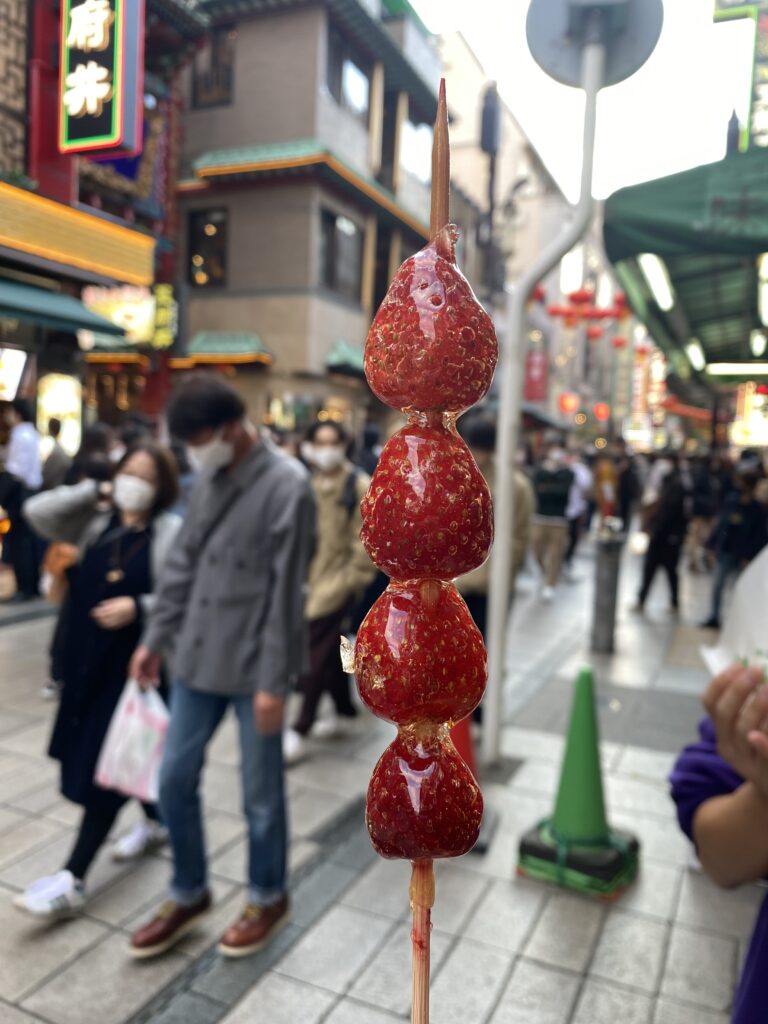
One of the most popular trends in recent years is Ichigo Ame (Strawberry Candy). This sweet treat, originally from Chinese street food culture, has become a must-try in Yokohama Chinatown. Fresh strawberries are coated with a crunchy sugar glaze, creating a perfect balance of juicy fruit and crispy sweetness. On weekends, you’ll often see long lines of people waiting to taste this Instagram-worthy snack.

Besides strawberry candy, you can also enjoy tapioca bubble tea, roast chestnuts, and rainbow-colored cotton candy—perfect for both children and adults.


Why Ichigo Ame is So Popular

The charm of Ichigo Ame lies not only in its taste but also in its appearance. The glossy sugar coating shines under the lantern lights, making it extremely photogenic. For travelers who love sharing their experiences on social media, this treat is both delicious and camera-ready. It has become one of the symbols of modern Yokohama Chinatown, blending tradition with today’s pop-culture trends.

When to Visit

Yokohama Chinatown is lively year-round, but visiting during festivals such as Chinese New Year or the Mid-Autumn Festival makes the experience even more special. The streets fill with performances, dragon dances, and fireworks, creating an unforgettable atmosphere. Evening visits are also highly recommended, as the lanterns glow and the streets come alive with color.


How to Get There

From Tokyo, it takes about 30–40 minutes by train. The nearest stations are Motomachi-ChÅĢkagai Station on the Minatomirai Line and Ishikawachō Station on the JR Negishi Line. Both stations bring you within a short walk of the main gates.


Final Thoughts

Yokohama Chinatown is more than just a tourist spot—it is a cultural bridge between Japan and China, offering a taste of history, tradition, and modern street food culture. Whether you come for the temples, the colorful streets, or simply to enjoy a stick of Ichigo Ame, a visit here will be one of the highlights of your trip to Japan.

So next time you’re in Tokyo and want a memorable day trip, head south to Yokohama and let Chinatown’s charm sweep you away.


✨ Travel Tip: Don’t forget to bring cash, as many small street food shops and candy stands do not accept credit cards. And if you plan on enjoying Ichigo Ame, arrive early on weekends—the lines can get long!


Would you like me to also prepare SEO-ready title suggestions and meta description for Google AdSense approval (so it’s blog-optimized right away)?

āχāϝāĻŧā§‹āϕ⧋āĻšāĻžāĻŽāĻž āϚāĻžāϝāĻŧāύāĻž āϟāĻžāωāύ: āĻŸā§‹āĻ•āĻŋāĻ“ āĻĨ⧇āϕ⧇ āĻāĻ• āĻĻāĻŋāύ⧇āϰ āĻ­ā§āϰāĻŽāϪ⧇āϰ āϏ⧇āϰāĻž āϜāĻžāϝāĻŧāĻ—āĻž

āχāϝāĻŧā§‹āϕ⧋āĻšāĻžāĻŽāĻž āϚāĻžāϝāĻŧāύāĻž āϟāĻžāωāύ (æ¨Ēæĩœä¸­č¯čĄ—, Yokohama ChÅĢkagai) āĻšāϞ⧋ āĻŦāĻŋāĻļā§āĻŦ⧇āϰ āĻ…āĻ¨ā§āϝāϤāĻŽ āĻŦ⧃āĻšā§Ž āĻāĻŦāĻ‚ āϜāĻžāĻĒāĻžāύ⧇āϰ āϏāĻŦāĻšā§‡āϝāĻŧ⧇ āĻŦāĻĄāĻŧ āϚāĻžāϝāĻŧāύāĻž āϟāĻžāωāύāĨ¤ āĻŸā§‹āĻ•āĻŋāĻ“ āĻĨ⧇āϕ⧇ āĻŽāĻžāĻ¤ā§āϰ ā§Šā§Ļ āĻŽāĻŋāύāĻŋāĻŸā§‡āϰ āĻĻā§‚āϰāĻ¤ā§āĻŦ⧇ āĻ…āĻŦāĻ¸ā§āĻĨāĻŋāϤ āĻāχ āϰāĻ™āĻŋāύ āĻāϞāĻžāĻ•āĻž āĻšāϞ⧋ āĻāĻ• āĻ…āύāĻ¨ā§āϝ āĻ…āĻ­āĻŋāĻœā§āĻžāϤāĻžâ€”āĻšā§€āύāĻž āϏāĻ‚āĻ¸ā§āĻ•ā§ƒāϤāĻŋ, āϜāĻžāĻĒāĻžāύāĻŋ āφāϤāĻŋāĻĨ⧇āϝāĻŧāϤāĻž āĻāĻŦāĻ‚ āĻ…āϏāĻ‚āĻ–ā§āϝ āϏ⧁āĻ¸ā§āĻŦāĻžāĻĻ⧁ āĻ–āĻžāĻŦāĻžāϰ⧇āϰ āϏāĻŽāĻ¨ā§āĻŦāϝāĻŧāĨ¤ āφāĻĒāύāĻŋ āϝāĻĻāĻŋ āĻ–āĻžāĻĻā§āϝāϰāϏāĻŋāĻ• āĻšāύ, āχāϤāĻŋāĻšāĻžāϏāĻĒā§āϰ⧇āĻŽā§€ āĻšāύ āĻŦāĻž āĻļ⧁āϧ⧁ āĻ­āĻŋāĻ¨ā§āύ āĻĒāϰāĻŋāĻŦ⧇āĻļ āωāĻĒāĻ­ā§‹āĻ— āĻ•āϰāϤ⧇ āϚāĻžāύ, āχāϝāĻŧā§‹āϕ⧋āĻšāĻžāĻŽāĻž āϚāĻžāϝāĻŧāύāĻž āϟāĻžāωāύ āĻ…āĻŦāĻļā§āϝāχ āφāĻĒāύāĻžāϰ āĻ­ā§āϰāĻŽāĻŖ āϤāĻžāϞāĻŋāĻ•āĻžāϝāĻŧ āĻĨāĻžāĻ•āĻž āωāϚāĻŋāϤāĨ¤


āχāϝāĻŧā§‹āϕ⧋āĻšāĻžāĻŽāĻž āϚāĻžāϝāĻŧāύāĻž āϟāĻžāωāύ⧇āϰ āχāϤāĻŋāĻšāĻžāϏ

ā§§ā§Žā§Ģ⧝ āϏāĻžāϞ⧇ āχāϝāĻŧā§‹āϕ⧋āĻšāĻžāĻŽāĻž āĻŦāĻ¨ā§āĻĻāϰ⧇āϰ āωāĻ¨ā§āĻŽā§āĻ•ā§āϤ āĻšāĻ“āϝāĻŧāĻžāϰ āĻĒāϰ āĻšā§€āύāĻž āĻ…āĻ­āĻŋāĻŦāĻžāϏ⧀āϰāĻž āĻāĻ–āĻžāύ⧇ āĻŦāϏāĻŦāĻžāϏ āĻļ⧁āϰ⧁ āĻ•āϰ⧇āĨ¤ āϧ⧀āϰ⧇ āϧ⧀āϰ⧇ āĻāĻ–āĻžāύ⧇ āĻ—āĻĄāĻŧ⧇ āĻ“āϠ⧇ āϰ⧇āĻ¸ā§āϟ⧁āϰ⧇āĻ¨ā§āϟ, āĻĻā§‹āĻ•āĻžāύāĻĒāĻžāϟ āĻ“ āĻŽāĻ¨ā§āĻĻāĻŋāϰāĨ¤ āĻŦāĻ°ā§āϤāĻŽāĻžāύ⧇ āĻāĻ–āĻžāύ⧇ ā§Ŧā§Ļā§ĻāϟāĻŋāϰāĻ“ āĻŦ⧇āĻļāĻŋ āĻŦā§āϝāĻŦāϏāĻž āĻĒā§āϰāϤāĻŋāĻˇā§āĻ āĻžāύ āϰāϝāĻŧ⧇āϛ⧇ āĻāĻŦāĻ‚ āĻĒā§āϰāϤāĻŋāĻŦāĻ›āϰ āϞāĻžāĻ–ā§‹ āĻĒāĻ°ā§āϝāϟāĻ• āĻ­ā§āϰāĻŽāĻŖ āĻ•āϰ⧇āĨ¤ āϞāĻžāϞ āϞāĻŖā§āĻ āύ, āϏ⧁āϏāĻœā§āϜāĻŋāϤ āĻĒā§āϰāĻŦ⧇āĻļāĻĻā§āĻŦāĻžāϰ āφāϰ āϰāĻžāĻ¸ā§āϤāĻžāϝāĻŧ āϭ⧇āϏ⧇ āφāϏāĻž āĻ–āĻžāĻŦāĻžāϰ⧇āϰ āĻ—āĻ¨ā§āϧ āĻĒ⧁āϰ⧋ āϜāĻžāϝāĻŧāĻ—āĻžāϟāĻŋāϕ⧇ āĻ…āĻ¨ā§āϝ āĻāĻ• āϜāĻ—āϤ⧇ āύāĻŋāϝāĻŧ⧇ āϝāĻžāϝāĻŧāĨ¤


āχāϝāĻŧā§‹āϕ⧋āĻšāĻžāĻŽāĻž āϚāĻžāϝāĻŧāύāĻž āϟāĻžāωāύ⧇āϰ āφāĻ•āĻ°ā§āώāĻŖ

āϚāĻžāϰāϟāĻŋ āĻšā§€āύāĻž āϗ⧇āϟ

āϚāĻžāϝāĻŧāύāĻž āϟāĻžāωāύāϕ⧇ āϘāĻŋāϰ⧇ āϰāϝāĻŧ⧇āϛ⧇ āϚāĻžāϰāϟāĻŋ āϏ⧁āĻ¨ā§āĻĻāϰ āĻĒā§āϰāĻŦ⧇āĻļāĻĻā§āĻŦāĻžāϰ, āĻĒā§āϰāϤāĻŋāϟāĻŋ āϏ⧌āĻ­āĻžāĻ—ā§āϝ āĻ“ āϏ⧁āϰāĻ•ā§āώāĻžāϰ āĻĒā§āϰāϤ⧀āĻ•āĨ¤ āĻāϰ āĻŽāĻ§ā§āϝ⧇ āϏāĻŦāĻšā§‡āϝāĻŧ⧇ āĻŦāĻŋāĻ–ā§āϝāĻžāϤ āĻšāϞ⧋ Zenrinmon Gate, āωāĻœā§āĻœā§āĻŦāϞ āϰāĻ™ āĻ“ āύāĻ•āĻļāĻžāϝāĻŧ āĻ­āϰāĻĒ⧁āϰ, āϝāĻž āĻĢāĻŸā§‹ āϤ⧋āϞāĻžāϰ āϜāĻ¨ā§āϝ āφāĻĻāĻ°ā§āĻļ āϜāĻžāϝāĻŧāĻ—āĻžāĨ¤

Kanteibyo āĻŽāĻ¨ā§āĻĻāĻŋāϰ

āĻšā§€āύ⧇āϰ āϝ⧁āĻĻā§āϧāĻĻ⧇āĻŦāϤāĻž Guan Yu-āϕ⧇ āĻ‰ā§ŽāϏāĻ°ā§āĻ— āĻ•āϰāĻž āĻāχ āϤāĻžāĻ“āĻŦāĻžāĻĻā§€ āĻŽāĻ¨ā§āĻĻāĻŋāϰ⧇ āϰāϝāĻŧ⧇āϛ⧇ āϏ⧋āύāĻžāϞāĻŋ āĻŽā§‚āĻ°ā§āϤāĻŋ, āĻĄā§āϰāĻžāĻ—āύ⧇āϰ āύāĻ•āĻļāĻž āĻāĻŦāĻ‚ āϧ⧂āĻĒ⧇āϰ āϏ⧁āĻŦāĻžāϏāĨ¤ āĻāϟāĻŋ āĻāĻ•āĻžāϧāĻžāϰ⧇ āϧāĻ°ā§āĻŽā§€āϝāĻŧ āĻ¸ā§āĻĨāĻžāύ āĻāĻŦāĻ‚ āĻļāĻŋāĻ˛ā§āĻĒāĻ•āĻ°ā§āĻŽā§‡āϰ āĻāĻ• āĻ…āϏāĻžāϧāĻžāϰāĻŖ āύāĻŋāĻĻāĻ°ā§āĻļāύāĨ¤

āϕ⧇āύāĻžāĻ•āĻžāϟāĻžāϰ āϰāĻžāĻ¸ā§āϤāĻž

āϚāĻžāϝāĻŧāύāĻž āϟāĻžāωāύ⧇āϰ āϏāϰ⧁ āϰāĻžāĻ¸ā§āϤāĻžāϗ⧁āϞ⧋ āĻ­āϰāĻž āĻĨāĻžāϕ⧇ āϭ⧇āώāϜ āĻ“āώ⧁āϧ⧇āϰ āĻĻā§‹āĻ•āĻžāύ, āĻĒāĻžāĻŖā§āĻĄāĻž āϖ⧇āϞāύāĻž, āϰāĻžāĻļāĻŋāϚāĻ•ā§āϰ⧇āϰ āϚāĻžāĻ°ā§āĻŽ āĻ“ āύāĻžāύāĻž āϧāϰāύ⧇āϰ āĻ¸ā§āϝ⧁āϭ⧇āύāĻŋāϰ⧇āĨ¤ āĻļ⧁āϧ⧁ āĻšāĻžāρāϟāϞ⧇āχ āφāύāĻ¨ā§āĻĻ āĻĒāĻžāĻ“āϝāĻŧāĻž āϝāĻžāϝāĻŧāĨ¤


āĻ–āĻžāĻĻā§āϝāϰāϏāĻŋāĻ•āĻĻ⧇āϰ āĻ¸ā§āĻŦāĻ°ā§āĻ—

āĻ•ā§āϞāĻžāϏāĻŋāĻ• āĻšā§€āύāĻž āĻ–āĻžāĻŦāĻžāϰ

āχāϝāĻŧā§‹āϕ⧋āĻšāĻžāĻŽāĻž āϚāĻžāϝāĻŧāύāĻž āϟāĻžāωāύ⧇āϰ āϏāĻŦāĻšā§‡āϝāĻŧ⧇ āĻŦāĻĄāĻŧ āφāĻ•āĻ°ā§āώāĻŖ āĻšāϞ⧋ āĻ–āĻžāĻŦāĻžāϰāĨ¤ āĻĄāĻŋāĻŽ āϏāĻžāĻŽ āĻĨ⧇āϕ⧇ āĻĒ⧇āĻ•āĻŋāĻ‚ āĻšāĻžāρāϏ, āĻ¸ā§āϝ⧁āĻĒ āĻĄāĻžāĻŽā§āĻĒāϞāĻŋāĻ‚ āĻĨ⧇āϕ⧇ āĻ¸ā§āϟāĻŋāĻŽāĻĄ āĻŦāĻžāĻ¨â€”āϏāĻŦāχ āĻĒāĻžāĻ“āϝāĻŧāĻž āϝāĻžāϝāĻŧāĨ¤ āϰāĻžāĻ¸ā§āϤāĻžāϰ āϧāĻžāϰ⧇ āĻĻā§‹āĻ•āĻžāύāϗ⧁āϞ⧋āϤ⧇ āĻ—āϰāĻŽ āĻ—āϰāĻŽ āύāĻŋāϕ⧁āĻŽāĻžāύ (āĻļā§‚āĻ•āϰ⧇āϰ āĻŽāĻžāĻ‚āϏ⧇āϰ āĻŦāĻžāύ) āĻŦāĻŋāĻ•ā§āϰāĻŋ āĻšāϝāĻŧ, āϝāĻž āĻšāĻžāρāϟāϤ⧇ āĻšāĻžāρāϟāϤ⧇ āĻ–āĻžāĻ“āϝāĻŧāĻžāϰ āϜāĻ¨ā§āϝ āĻāĻ•āĻĻāĻŽ āωāĻĒāϝ⧁āĻ•ā§āϤāĨ¤

āĻ¸ā§āĻŸā§āϰāĻŋāϟ āĻĢ⧁āĻĄā§‡āϰ āϜāύāĻĒā§āϰāĻŋāϝāĻŧāϤāĻž

āϏāĻžāĻŽā§āĻĒā§āϰāϤāĻŋāĻ• āϏāĻŽāϝāĻŧ⧇ āϏāĻŦāĻšā§‡āϝāĻŧ⧇ āφāϞ⧋āϚāĻŋāϤ āĻ–āĻžāĻŦāĻžāϰ āĻšāϞ⧋ Ichigo Ame (āĻ¸ā§āĻŸā§āϰāĻŦ⧇āϰāĻŋ āĻ•ā§āϝāĻžāĻ¨ā§āĻĄāĻŋ)āĨ¤ āϟāĻžāϟāĻ•āĻž āĻ¸ā§āĻŸā§āϰāĻŦ⧇āϰāĻŋ āϚāĻŋāύāĻŋ āĻĻāĻŋāϝāĻŧ⧇ āĻ•āĻĄāĻŧāĻ•āĻĄāĻŧ⧇ āφāĻŦāϰāϪ⧇ āĻŽā§‹āĻĄāĻŧāĻžâ€”āĻāϟāĻŋ āĻŽāĻŋāĻˇā§āϟāĻŋ āĻ“ āϰāϏāĻžāϞ⧋ āĻ¸ā§āĻŦāĻžāĻĻ⧇āϰ āĻ…āύāĻ¨ā§āϝ āϏāĻ‚āĻŽāĻŋāĻļā§āϰāĻŖāĨ¤ āϏāĻĒā§āϤāĻžāĻšāĻžāĻ¨ā§āϤ⧇ āĻāϰ āĻĻā§‹āĻ•āĻžāύāϗ⧁āϞ⧋āϰ āϏāĻžāĻŽāύ⧇ āϞāĻŽā§āĻŦāĻž āϞāĻžāχāύ āĻĻ⧇āĻ–āĻž āϝāĻžāϝāĻŧāĨ¤

āĻāĻ›āĻžāĻĄāĻŧāĻž āĻŦ⧁āĻŦāϞ āϟāĻŋ, āĻ­āĻžāϜāĻž āĻšā§‡āĻ¸ā§āϟāύāĻžāϟ āĻāĻŦāĻ‚ āϰāĻ™āĻŋāύ āĻ•āϟāύ āĻ•ā§āϝāĻžāĻ¨ā§āĻĄāĻŋāĻ“ āĻĒāĻžāĻ“āϝāĻŧāĻž āϝāĻžāϝāĻŧ—āϝāĻž āϛ⧋āϟ-āĻŦāĻĄāĻŧ āϏāĻŦāĻžāϰ āϜāĻ¨ā§āϝ āĻŽāϜāĻžāϰ āĻ–āĻžāĻŦāĻžāϰāĨ¤


āϕ⧇āύ Ichigo Ame āĻāϤ āϜāύāĻĒā§āϰāĻŋāϝāĻŧ?

āχāϚāĻŋāĻ—ā§‹ āφāĻŽā§‡ āĻļ⧁āϧ⧁ āϏ⧁āĻ¸ā§āĻŦāĻžāĻĻ⧁āχ āύāϝāĻŧ, āĻāϰ āĻāĻ•āĻāϕ⧇ āϚāĻŋāύāĻŋ āϕ⧋āϟāĻŋāĻ‚ āϞāĻŖā§āĻ āύ⧇āϰ āφāϞ⧋āϝāĻŧ āĻĻāĻžāϰ⧁āĻŖ āĻāϞāĻŽāϞ āĻ•āĻ°ā§‡â€”āϝāĻž āĻ›āĻŦāĻŋ āϤ⧋āϞāĻžāϰ āϜāĻ¨ā§āϝ āĻāϕ⧇āĻŦāĻžāϰ⧇ āĻĒāĻžāϰāĻĢ⧇āĻ•ā§āϟāĨ¤ āχāύāĻ¸ā§āϟāĻžāĻ—ā§āϰāĻžāĻŽā§‡ āĻĒā§‹āĻ¸ā§āϟ āĻ•āϰāĻžāϰ āĻŽāϤ⧋ āĻāχ āĻ¸ā§āĻ¨ā§āϝāĻžāĻ• āĻāĻ–āύ āχāϝāĻŧā§‹āϕ⧋āĻšāĻžāĻŽāĻž āϚāĻžāϝāĻŧāύāĻž āϟāĻžāωāύ⧇āϰ āφāϧ⧁āύāĻŋāĻ• āĻĒā§āϰāϤ⧀āĻ• āĻšāϝāĻŧ⧇ āωāϠ⧇āϛ⧇āĨ¤


āĻ•āĻ–āύ āĻ­ā§āϰāĻŽāĻŖ āĻ•āϰāĻŦ⧇āύ

āϏāĻžāϰāĻž āĻŦāĻ›āϰāχ āĻāχ āĻāϞāĻžāĻ•āĻž āϜāĻŽāϜāĻŽāĻžāϟ āĻĨāĻžāϕ⧇, āϤāĻŦ⧇ āϚāĻžāχāύāĻŋāϜ āύāĻŋāω āχāϝāĻŧāĻžāϰ āĻ“ āĻŽāĻŋāĻĄ-āĻ…āϟāĻžāĻŽ āĻĢ⧇āĻ¸ā§āϟāĻŋāĻ­ā§āϝāĻžāϞ āϏāĻŽāϝāĻŧ⧇ āĻāĻ–āĻžāύ⧇ āĻ‰ā§ŽāϏāĻŦāĻŽā§āĻ–āϰ āĻĒāϰāĻŋāĻŦ⧇āĻļ āĻĨāĻžāϕ⧇āĨ¤ āĻĄā§āϰāĻžāĻ—āύ āĻĄā§āϝāĻžāĻ¨ā§āϏ, āφāϤāĻļāĻŦāĻžāϜāĻŋ āĻ“ āĻĒā§āϝāĻžāϰ⧇āĻĄ āĻĒ⧁āϰ⧋ āϰāĻžāĻ¸ā§āϤāĻžāϕ⧇ āĻ‰ā§ŽāϏāĻŦ⧇ āĻ­āϰāĻŋāϝāĻŧ⧇ āϤ⧋āϞ⧇āĨ¤
āϰāĻžāϤ⧇ āĻāϞ⧇ āϞāĻŖā§āĻ āύ⧇āϰ āφāϞ⧋āϝāĻŧ āϜāĻžāϝāĻŧāĻ—āĻžāϟāĻŋ āφāϰāĻ“ āϰāĻ™āĻŋāύ āĻ“ āϜāĻžāĻĻ⧁āĻ•āϰ⧀ āĻšāϝāĻŧ⧇ āĻ“āϠ⧇āĨ¤


āĻ•āĻŋāĻ­āĻžāĻŦ⧇ āϝāĻžāĻŦ⧇āύ

āĻŸā§‹āĻ•āĻŋāĻ“ āĻĨ⧇āϕ⧇ āĻŸā§āϰ⧇āύ⧇ ā§Šā§Ļ–ā§Ēā§Ļ āĻŽāĻŋāύāĻŋāϟ āϏāĻŽāϝāĻŧ āϞāĻžāϗ⧇āĨ¤ āύāĻŋāĻ•āϟāϤāĻŽ āĻ¸ā§āĻŸā§‡āĻļāύ āĻšāϞ⧋ Motomachi-ChÅĢkagai Station (Minatomirai Line) āĻāĻŦāĻ‚ Ishikawachō Station (JR Negishi Line)āĨ¤ āωāĻ­āϝāĻŧ āĻ¸ā§āĻŸā§‡āĻļāύ āĻĨ⧇āϕ⧇āχ āϚāĻžāϝāĻŧāύāĻž āϟāĻžāωāύ⧇āϰ āĻŽā§‚āϞ āϗ⧇āĻŸā§‡ āĻšā§‡āρāĻŸā§‡ āϝāĻžāĻ“āϝāĻŧāĻž āϝāĻžāϝāĻŧāĨ¤


āĻļ⧇āώ āĻ•āĻĨāĻž

āχāϝāĻŧā§‹āϕ⧋āĻšāĻžāĻŽāĻž āϚāĻžāϝāĻŧāύāĻž āϟāĻžāωāύ āĻļ⧁āϧ⧁ āĻāĻ•āϟāĻŋ āĻĒāĻ°ā§āϝāϟāύ āϕ⧇āĻ¨ā§āĻĻā§āϰ āύāϝāĻŧ—āĻāϟāĻŋ āϜāĻžāĻĒāĻžāύ āĻ“ āĻšā§€āύ⧇āϰ āϏāĻžāĻ‚āĻ¸ā§āĻ•ā§ƒāϤāĻŋāĻ• āϏ⧇āϤ⧁āĻŦāĻ¨ā§āϧāύāĨ¤ āĻŽāĻ¨ā§āĻĻāĻŋāϰ āĻĻāĻ°ā§āĻļāύ, āϞāĻŖā§āĻ āύāϏāĻœā§āϜāĻŋāϤ āϰāĻžāĻ¸ā§āϤāĻž āĻ•āĻŋāĻ‚āĻŦāĻž āĻāĻ• āϟ⧁āĻ•āϰ⧋ āχāϚāĻŋāĻ—ā§‹ āφāĻŽā§‡â€”āϝ⧇āĻ­āĻžāĻŦ⧇āχ āĻšā§‹āĻ• āύāĻž āϕ⧇āύ, āĻāĻ–āĻžāύ⧇ āφāϏāĻž āφāĻĒāύāĻžāϰ āϜāĻžāĻĒāĻžāύ āĻ­ā§āϰāĻŽāϪ⧇āϰ āĻ…āĻ¨ā§āϝāϤāĻŽ āϏ⧇āϰāĻž āĻ…āĻ­āĻŋāĻœā§āĻžāϤāĻž āĻšāĻŦ⧇āĨ¤

āϤāĻžāχ āĻŸā§‹āĻ•āĻŋāĻ“ āĻ­ā§āϰāĻŽāϪ⧇āϰ āϏāĻŽāϝāĻŧ āĻāĻ•āĻĻāĻŋāύ āϏāĻŽāϝāĻŧ āĻŦ⧇āϰ āĻ•āϰ⧇ āχāϝāĻŧā§‹āϕ⧋āĻšāĻžāĻŽāĻž āϘ⧁āϰ⧇ āφāϏ⧁āύ, āφāϰ āϚāĻžāϝāĻŧāύāĻž āϟāĻžāωāύ⧇āϰ āĻ¸ā§āĻŦāĻžāĻĻ āĻ“ āϰāϙ⧇ āϭ⧇āϏ⧇ āϝāĻžāύāĨ¤


✨ āĻ­ā§āϰāĻŽāĻŖ āϟāĻŋāĻĒāϏ: āϛ⧋āϟ āĻĻā§‹āĻ•āĻžāύāϗ⧁āϞ⧋āϤ⧇ āĻ…āύ⧇āĻ• āϏāĻŽāϝāĻŧ āĻ•ā§āϰ⧇āĻĄāĻŋāϟ āĻ•āĻžāĻ°ā§āĻĄ āĻ—ā§āϰāĻšāĻŖ āĻ•āϰāĻž āĻšāϝāĻŧ āύāĻž, āϤāĻžāχ āύāĻ—āĻĻ āϟāĻžāĻ•āĻž āϰāĻžāĻ–āĻž āĻ­āĻžāϞ⧋āĨ¤ āϏāĻĒā§āϤāĻžāĻšāĻžāĻ¨ā§āϤ⧇ āχāϚāĻŋāĻ—ā§‹ āφāĻŽā§‡ āĻ•āĻŋāύāϤ⧇ āϚāĻžāχāϞ⧇ āφāϗ⧇ āφāϏāĻž āωāĻ¤ā§āϤāĻŽ, āĻ•āĻžāϰāĻŖ āϞāĻžāχāύ⧇ āĻĻāĻžāρāĻĄāĻŧāĻžāϤ⧇ āĻšāϤ⧇ āĻĒāĻžāϰ⧇āĨ¤

Kawasaki Daishi and Ton-Toko Candy: A Unique, Muslim-Friendly Cultural Experience in Japan

When exploring the vast array of cultural wonders that Japan has to offer, Kawasaki Daishi Temple stands out as a spiritual and historical destination. Located just a short ride from Tokyo in Kawasaki City, this temple is more than just a religious site — it’s a hub of local traditions, street food, and unique experiences. One such experience is the famous Ton-Toko candy, a traditional Japanese sweet sold just outside the temple.

In this article, we’ll take you through the history of Kawasaki Daishi, the fascinating world of Ton-Toko candy, and why this sweet is also suitable for Muslim visitors.


The History and Significance of Kawasaki Daishi

Kawasaki Daishi, formally known as Heiken-ji Temple, was founded in 1128 and belongs to the Shingon Buddhist sect. The temple is dedicated to Kobo Daishi (Kukai), the founder of Shingon Buddhism in Japan. Over the centuries, Kawasaki Daishi has become a symbol of spiritual protection, particularly famous for warding off bad luck and bringing good fortune.

Every New Year, the temple attracts millions of visitors who come for hatsumode, the first temple visit of the year. The atmosphere during these days is vibrant, filled with food stalls, prayers, and festive energy. Even on regular days, the temple grounds are peaceful and surrounded by charming traditional streets.


What is Ton-Toko Candy?

One of the most memorable aspects of a visit to Kawasaki Daishi is the rhythmic sound of “ton-toko-ton” echoing through the narrow lanes leading to the temple. This is the sound of Ton-Toko candy being sliced by skilled artisans.

Ton-Toko candy is a hard, glossy sugar candy, typically in bright red or pink, and is sold in long sticks that are cut into pieces on the spot using a small hatchet. As the artisan chops the candy, the “ton-toko” sound draws attention and creates an interactive, festive moment for visitors — children and adults alike.

More than just a snack, Ton-Toko candy is a piece of living tradition, handed down through generations and still crafted with care by local confectioners near the temple gate.


Muslim-Friendly and Safe to Eat

If you are a Muslim traveler concerned about dietary restrictions, Ton-Toko candy offers a safe and worry-free treat. The ingredients are simple and entirely plant-based, making it free from haram (forbidden) substances such as gelatin or alcohol.

Typical ingredients include:

  • Granulated sugar
  • Glucose syrup (plant-derived)
  • Food coloring (usually artificial or plant-based)

There are no animal products, no alcohol, and no pork-derived gelatin, which makes this sweet suitable for most Muslim visitors. If you are unsure, feel free to ask the vendor about the ingredients — many are used to explaining them to tourists and are friendly and helpful.


A Cultural and Culinary Experience in One

Ton-Toko candy isn’t just about eating; it’s about the experience. Watching the candy being chopped, hearing the rhythmic sounds, and interacting with the sellers all become part of a unique cultural immersion.

After purchasing your candy, enjoy it while walking through the temple grounds or bring it back as a souvenir — a little taste of Japanese tradition wrapped in bright paper and nostalgia.


Final Thoughts

Kawasaki Daishi is more than a temple — it’s a cultural destination where food, history, and faith come together. Whether you are traveling as a family, solo adventurer, or a culturally curious visitor, this spot offers something unforgettable.

And if you’re a Muslim traveler in Japan, you’ll be happy to know that traditions like Ton-Toko candy are not only delicious but also inclusive.

Add Kawasaki Daishi and Ton-Toko candy to your Japan itinerary — your taste buds and Instagram followers will thank you!

Bangladesh Peace Monument in Nagasaki Peace Park: Location, History, and Meaning

Nagasaki Peace Park is a symbolic place that conveys the tragic history of the atomic bombing and the universal wish for world peace.
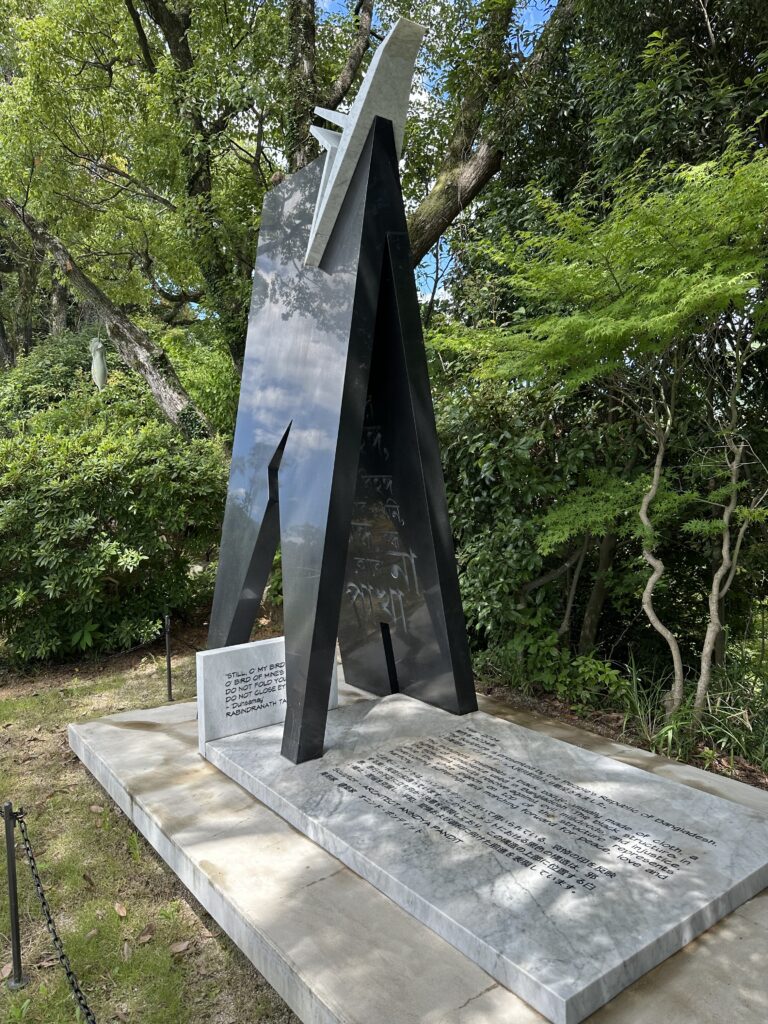
Among the many monuments donated by countries around the world, there is a unique monument gifted by Bangladesh.
In this article, we will introduce the location, meaning, and history behind the Bangladesh Peace Monument in Nagasaki Peace Park.

About Nagasaki Peace Park and Its Monuments

Nagasaki Peace Park, located near the epicenter of the atomic bomb explosion, serves as a reminder of the importance of peace and a memorial to the victims.
Inside the park, you can find more than 70 Peace Monuments donated by various countries and regions, each representing a wish for global harmony.
Among them is the Bangladesh Peace Monument, symbolizing the friendship and shared hope for peace between Japan and Bangladesh.

Bangladesh Peace Monument Details

The Bangladesh Peace Monument is located in the eastern section of Nagasaki Peace Park, near other international peace monuments.

It is a stone structure with an elegant and meaningful design, symbolizing the hope for eternal peace.
This monument was donated by the Government and people of Bangladesh in 2024 , as a gesture of friendship toward the people of Nagasaki and a prayer for a peaceful world.
Visitors can also find an inscription explaining the monument’s significance.

My Impression and Travel Tips

When I visited the Bangladesh Peace Monument, I was struck by its simplicity and the powerful message it conveys.
Walking through the park, you can see how countries from around the world come together in their wish for peace.
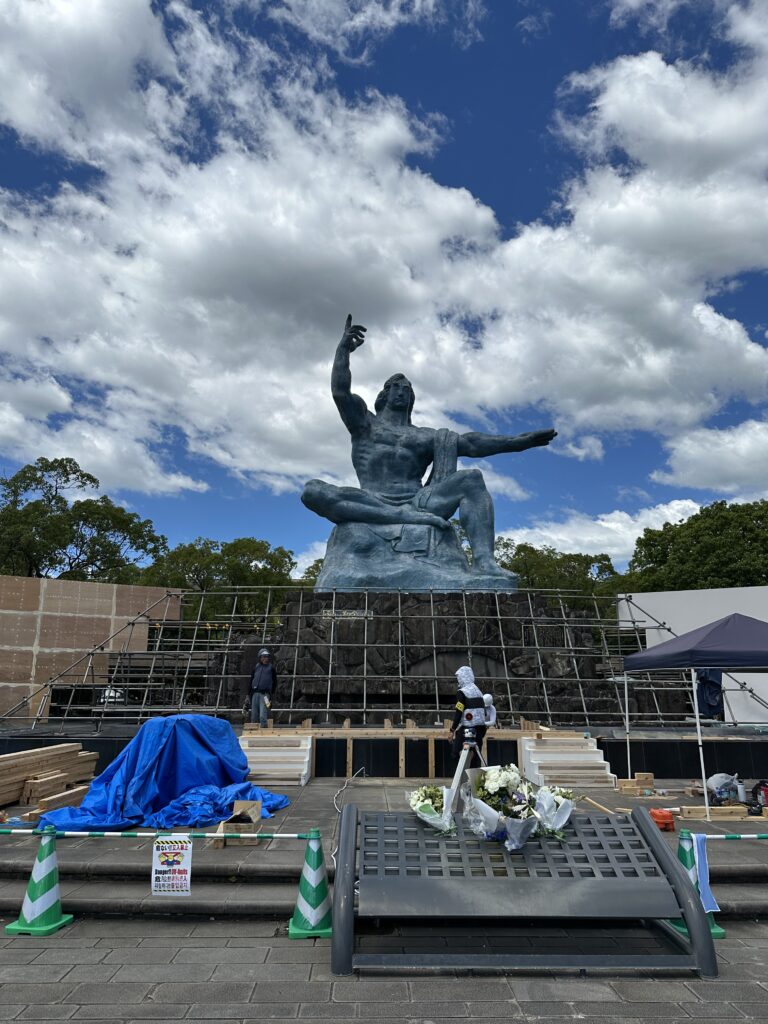
If you visit Nagasaki Peace Park, I highly recommend stopping by this monument after seeing the Peace Statue and the Atomic Bomb Museum, as it gives a deeper understanding of international solidarity for peace.

Conclusion

The Bangladesh Peace Monument in Nagasaki Peace Park is a beautiful symbol of friendship and the shared hope for a peaceful future.
When visiting the park, be sure to find this monument and take a moment to reflect on its meaning.

Top 5 Places to Visit in Tokyo for First-Time Visitors

Are you visiting Tokyo for the first time? The city is a perfect mix of tradition and modernity. From ancient temples to futuristic towers, Tokyo has something for everyone.

1. Asakusa and Senso-ji Temple 🛐

Asakusa is home to Senso-ji, Tokyo’s oldest temple. Walk through the Nakamise shopping street, where you can buy souvenirs and try traditional Japanese snacks like ningyo-yaki.

2. Shibuya Crossing & Hachiko Statue đŸšĨ

Experience the world-famous Shibuya Scramble Crossing — where thousands of people cross at once! Don’t forget to take a photo with the loyal dog Hachiko.

3. Meiji Shrine & Harajuku 🎎

Visit Meiji Jingu, a peaceful Shinto shrine surrounded by forest. Then head to Takeshita Street in Harajuku for trendy fashion and colorful sweets!

4. Tokyo Skytree or Tokyo Tower đŸ—ŧ

For the best city views, go up Tokyo Skytree (634m!) or the classic Tokyo Tower. Both are great spots for taking photos and enjoying the Tokyo skyline.

5. Odaiba – Entertainment Island 🎡

Odaiba is a man-made island full of fun! Visit TeamLab Planets (digital art museum), the life-size Gundam statue, or enjoy shopping and seaside views.

💡 Travel Tip: Get a Suica or Pasmo card for easy train rides in Tokyo.

Bonus: Food to Try in Tokyo đŸŖ

  • Sushi (Try Tsukiji or Toyosu markets)
  • Ramen (Ichiran or Afuri are great options)
  • Convenience store snacks – yes, they’re amazing!

📸 Want to Capture It All?

Don’t forget to bring a good camera or smartphone with plenty of storage. Tokyo is full of Instagram-worthy spots!

✅ Summary

Tokyo can be overwhelming at first, but these five places are perfect for beginners. You’ll get a taste of tradition, modern life, food, and fun — all in one city.

So pack your bags and start your Tokyo adventure today!

đŸ‡¯đŸ‡ĩ What NOT to Bring to Japan — You Might Get Deported at the Airport!

Dreaming of sushi, cherry blossoms, and anime adventures? Your Japan trip is almost here, and you’re packing your bags with excitement. But before you zip that suitcaseâ€Ļ do you know what’s allowed into Japan?

Japan has very strict customs laws, and bringing the wrong items can result in fines, detention, or even immediate deportation. Yes, seriously.

This blog is your ultimate guide to prohibited and restricted items you should never bring into Japan. Read it carefully — and don’t let your vacation end at immigration!

❌ 1. Drugs – Even “Just a Little Weed”

Japan has a zero-tolerance drug policy. It doesn’t matter if cannabis is legal in your country or if it’s for medical use.

  • Marijuana = Illegal
  • Medicinal marijuana = Still illegal
  • CBD products = Risky (if any THC is detected, it’s a crime)

Penalties include arrest, jail time, deportation, and a permanent ban from Japan. Even celebrities have been refused entry over this. Don’t take the risk.

💊 2. Over-the-Counter Medicines

Common cold medicine from your country might be banned in Japan. Certain ingredients are not allowed:

  • Pseudoephedrine (found in decongestants like Sudafed)
  • Codeine (found in cough syrups or pain relievers)

If you need to bring medication, you may need a Yakkan Shoumei (import certificate) and a doctor’s note. Without it, your meds could be confiscated or worse — you could be denied entry.

đŸ”Ģ 3. Weapons and Self-Defense Tools

Japan does not allow weapons or self-defense tools — even if you never intend to use them.

  • Guns, ammunition, and explosives
  • Knives with blades over 6 cm
  • Pepper spray and stun guns
  • Nunchaku and other martial arts tools

Even items for display or collection may be considered dangerous. Leave them at home.

🍎 4. Fruits, Vegetables, Meat, and Seeds

Japan protects its agriculture very seriously. That means strict laws on plant and animal products coming into the country.

Prohibited items include:

  • Fresh fruits and vegetables
  • Raw meat and dairy products
  • Seeds and soil

Some dried or processed foods may be allowed with proper inspection and paperwork, but always check before you fly.

đŸ’ŧ 5. Large Amounts of Cash

You can bring cash into Japan, but if it’s over 1 million yen (about $7,000 USD), you must declare it.

If you don’t, customs officials may suspect money laundering or illegal activity. Play it safe and fill out the form if you’re carrying a lot of cash.

đŸšĢ 6. Pornography, Counterfeit Goods, and Adult Items

Even though Japan has a reputation for adult content, importing it is another story. You can’t bring in:

  • Obscene materials (accordin

đŸ‡¯đŸ‡ĩ āϜāĻžāĻĒāĻžāύ⧇ āύāĻŋāϝāĻŧ⧇ āϗ⧇āϞ⧇ āφāĻĒāύāĻžāϕ⧇ āĻĢ⧇āϰāϤ āĻĒāĻžāĻ āĻžāύ⧋ āĻšāϤ⧇ āĻĒāĻžāϰ⧇!? – āϕ⧋āύ āϜāĻŋāύāĻŋāϏāϗ⧁āϞāĻŋ āϏāĻ™ā§āϗ⧇ āφāύāĻŦ⧇āύ āύāĻž

āφāĻĒāύāĻŋ āĻ•āĻŋ āϏ⧁āĻļāĻŋ, āϏāĻžāϕ⧁āϰāĻž āĻĢ⧁āϞ āφāϰ āĻāύāĻŋāĻŽā§‡ āĻŸā§āϝ⧁āϰ⧇āϰ āĻ¸ā§āĻŦāĻĒā§āύ āĻĻ⧇āĻ–āϛ⧇āύ? āφāĻĒāύāĻžāϰ āϜāĻžāĻĒāĻžāύ āϏāĻĢāϰ⧇āϰ āĻĒā§āϰāĻ¸ā§āϤ⧁āϤāĻŋ āϚāϞāϛ⧇ āĻœā§‹āϰ⧇ āĻļā§‹āϰ⧇āĨ¤ āĻ•āĻŋāĻ¨ā§āϤ⧁ āĻŦā§āϝāĻžāĻ— āĻ—ā§‹āĻ›āĻžāύ⧋āϰ āφāϗ⧇ āĻāĻ•āĻŦāĻžāϰ āĻ­āĻžāĻŦ⧁āĻ¨â€”āφāĻĒāύāĻŋ āĻ•āĻŋ āϜāĻžāύ⧇āύ, āϜāĻžāĻĒāĻžāύ⧇ āϕ⧀ āϕ⧀ āϜāĻŋāύāĻŋāϏ āφāύāĻž āϏāĻŽā§āĻĒā§‚āĻ°ā§āĻŖ āύāĻŋāώāĻŋāĻĻā§āϧ?

āϜāĻžāĻĒāĻžāύ⧇ āĻ•āĻžāĻ¸ā§āϟāĻŽāϏ āφāχāύ āĻ…āĻ¤ā§āϝāĻ¨ā§āϤ āĻ•āĻ ā§‹āϰ, āĻāĻŦāĻ‚ āϭ⧁āϞ āϜāĻŋāύāĻŋāϏ āϏāĻ™ā§āϗ⧇ āφāύāϞ⧇ āφāĻĒāύāĻžāϕ⧇ āϜāϰāĻŋāĻŽāĻžāύāĻž, āφāϟāĻ• āĻŦāĻž āϏāϰāĻžāϏāϰāĻŋ āĻĢ⧇āϰāϤ āĻĒāĻžāĻ āĻžāύ⧋ āĻšāϤ⧇ āĻĒāĻžāϰ⧇āĨ¤ āĻšā§āϝāĻžāρ, āĻāϟāĻž āϏāĻ¤ā§āϝāĻŋāĨ¤

āĻāχ āĻŦā§āϞāϗ⧇ āφāĻŽāϰāĻž āĻŦāϞāĻ›āĻŋ āϏ⧇āχāϏāĻŦ āύāĻŋāώāĻŋāĻĻā§āϧ āĻ“ āϏ⧀āĻŽāĻŋāϤ āϜāĻŋāύāĻŋāϏāĻĒāĻ¤ā§āϰ āϏāĻŽā§āĻĒāĻ°ā§āϕ⧇ āϝāĻž āφāĻĒāύāĻŋ āĻ•āĻ–āύ⧋ āϜāĻžāĻĒāĻžāύ⧇ āύāĻŋāϝāĻŧ⧇ āϝāĻžāĻŦ⧇āύ āύāĻžāĨ¤ āĻĒāĻĄāĻŧ⧇ āĻĢ⧇āϞ⧁āύ — āφāϰ āφāĻĒāύāĻžāϰ āϛ⧁āϟāĻŋ āϝ⧇āύ āĻŦāĻŋāĻŽāĻžāύāĻŦāĻ¨ā§āĻĻāϰ⧇āχ āĻļ⧇āώ āύāĻž āĻšāϝāĻŧ!

❌ ā§§. āĻĄā§āϰāĻžāĻ— – āĻāĻŽāύāĻ•āĻŋ “āϏāĻžāĻŽāĻžāĻ¨ā§āϝ āĻ—āĻžāρāϜāĻžâ€āĻ“ āύāϝāĻŧ

āϜāĻžāĻĒāĻžāύ⧇ āĻĄā§āϰāĻžāĻ—āϏ āύāĻŋāϝāĻŧ⧇ āĻļā§‚āĻ¨ā§āϝ āϏāĻšāύāĻļā§€āϞāϤāĻž āύ⧀āϤāĻŋ āφāϛ⧇āĨ¤ āφāĻĒāύāĻžāϰ āĻĻ⧇āĻļ⧇ āĻ—āĻžāρāϜāĻž āĻŦ⧈āϧ āĻšāϞ⧇āĻ“, āϜāĻžāĻĒāĻžāύ⧇ āϤāĻž āϏāĻŽā§āĻĒā§‚āĻ°ā§āĻŖ āύāĻŋāώāĻŋāĻĻā§āϧāĨ¤

  • āĻ—āĻžāρāϜāĻž = āĻ…āĻŦ⧈āϧ
  • āϚāĻŋāĻ•āĻŋā§ŽāϏāĻžāϰ āϜāĻ¨ā§āϝ āĻ—āĻžāρāϜāĻž = āϤāĻžāĻ“ āĻ…āĻŦ⧈āϧ
  • CBD āĻĒā§āϰ⧋āĻĄāĻžāĻ•ā§āϟ = āĻā§āρāĻ•āĻŋāĻĒā§‚āĻ°ā§āĻŖ (āĻĨāĻŋāϏāĻŋ āĻĨāĻžāĻ•āϞ⧇ āĻ…āĻĒāϰāĻžāϧ)

āφāĻĒāύāĻžāϰ āĻļāĻžāĻ¸ā§āϤāĻŋ āĻšāϤ⧇ āĻĒāĻžāϰ⧇ āĻ—ā§āϰ⧇āĻĒā§āϤāĻžāϰ, āĻœā§‡āϞ, āĻĻ⧇āĻļ⧇ āĻĢ⧇āϰāϤ āĻĒāĻžāĻ āĻžāύ⧋, āĻŦāĻž āφāĻœā§€āĻŦāύ āύāĻŋāώāĻŋāĻĻā§āϧ āĻšāĻ“āϝāĻŧāĻžāĨ¤ āĻāĻŽāύāĻ•āĻŋ āĻ…āύ⧇āĻ• āϏ⧇āϞāĻŋāĻŦā§āϰāĻŋāϟāĻŋāĻ“ āϜāĻžāĻĒāĻžāύ⧇ āĻĸ⧁āĻ•āϤ⧇ āĻĒāĻžāϰ⧇āύāύāĻŋ āĻ āĻ•āĻžāϰāϪ⧇āĨ¤

💊 ⧍. āϏāĻžāϧāĻžāϰāĻŖ āĻ“āώ⧁āϧ⧇āĻ“ āĻā§āρāĻ•āĻŋ āφāϛ⧇

āφāĻĒāύāĻžāϰ āĻĻ⧇āĻļ⧇ āϝ⧇ āĻ āĻžāĻ¨ā§āĻĄāĻžāϰ āĻ“āώ⧁āϧ āφāĻĒāύāĻŋ āĻŦā§āϝāĻŦāĻšāĻžāϰ āĻ•āϰ⧇āύ, āϤāĻž āϜāĻžāĻĒāĻžāύ⧇ āύāĻŋāώāĻŋāĻĻā§āϧ āĻšāϤ⧇ āĻĒāĻžāϰ⧇āĨ¤ āύāĻŋāĻšā§‡āϰ āωāĻĒāĻžāĻĻāĻžāύāϗ⧁āϞāĻŋ āĻŦāĻŋāĻļ⧇āώāĻ­āĻžāĻŦ⧇ āύāĻŋāώāĻŋāĻĻā§āϧ:

  • Pseudoephedrine (āĻĄāĻŋāĻ•āύāĻœā§‡āϏāĻŸā§‡āĻ¨ā§āϟ)
  • Codeine (āĻ•āĻžāĻļāĻŋāϰ āĻ“āώ⧁āϧ āĻŦāĻž āĻŦā§āϝāĻĨāĻžāϰ āĻ“āώ⧁āϧ⧇)

āĻ“āώ⧁āϧ āϏāĻ™ā§āϗ⧇ āφāύāϤ⧇ āĻšāϞ⧇ āĻĄāĻžāĻ•ā§āϤāĻžāϰ⧇āϰ āĻĒā§āϰ⧇āϏāĻ•ā§āϰāĻŋāĻĒāĻļāύ āĻ“ Yakkan Shoumei (āĻ”āώāϧ āφāĻŽāĻĻāĻžāύāĻŋāϰ āĻ…āύ⧁āĻŽā§‹āĻĻāύ) āϞāĻžāĻ—āϤ⧇ āĻĒāĻžāϰ⧇āĨ¤ āύāĻž āĻšāϞ⧇ āĻ•āĻžāĻ¸ā§āϟāĻŽāϏ⧇ āϏāĻŽāĻ¸ā§āϝāĻž āĻšāĻŦ⧇āχāĨ¤

đŸ”Ģ ā§Š. āĻ…āĻ¸ā§āĻ¤ā§āϰ āĻ“ āφāĻ¤ā§āĻŽāϰāĻ•ā§āώāĻžāϰ āϏāĻžāĻŽāĻ—ā§āϰ⧀

āύāĻŋāĻœā§‡āϕ⧇ āĻŦāĻžāρāϚāĻžāύ⧋āϰ āϜāĻ¨ā§āϝ āĻšāϞ⧇āĻ“ āϜāĻžāĻĒāĻžāύ⧇ āĻāχāϏāĻŦ āϏāĻ™ā§āϗ⧇ āφāύāĻž